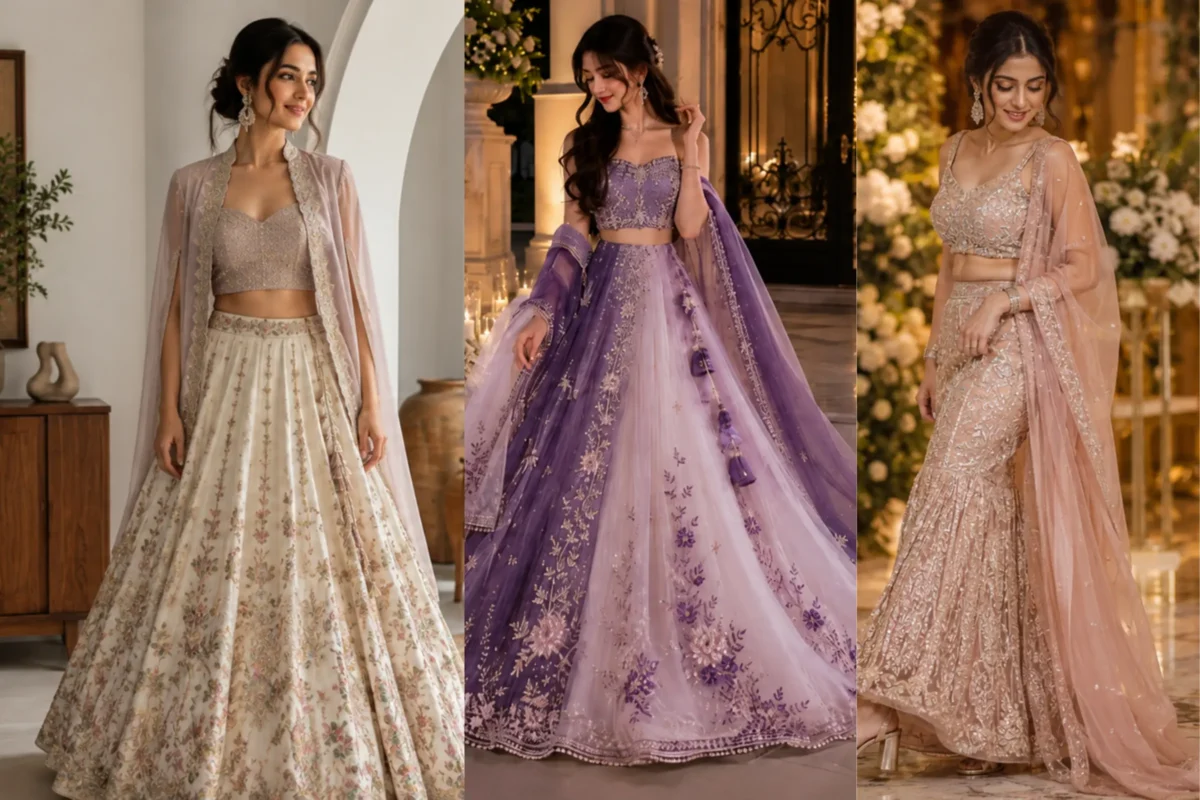


Lehenga Choli Ideas for Every Body Type and Budget: Your Complete Inspiration Guide
August 11, 2026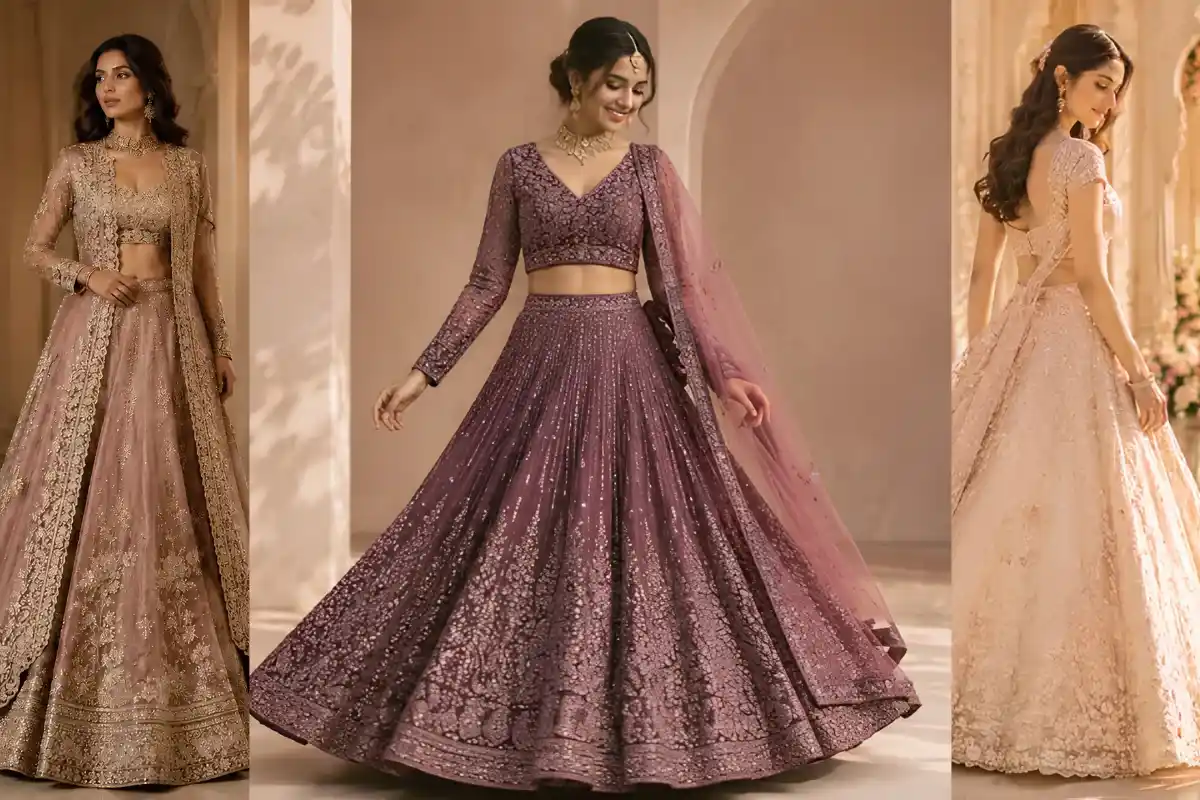
Choosing a lehenga should feel exciting, but the number of options can quickly become confusing.
You may have saved countless Pinterest photos and Instagram reels, yet still wonder whether an A-line, mermaid, panelled, or trail lehenga will suit you. Then come the practical questions. Will it flatter your body shape? Can you wear it comfortably for hours? Is it suitable for a sangeet, wedding ceremony, or reception?
The right lehenga is not simply the one with the heaviest embroidery. It should fit well, suit the occasion, and allow you to move without constantly adjusting the skirt or blouse.
This guide explains the main types of lehenga choli in simple terms. You will learn how different silhouettes sit on the body, which fabrics feel comfortable, and how choli styles and dupatta drapes can change the overall look.
Whether you are shopping as a bride, bridesmaid, wedding guest, or fashion lover, the goal is the same: finding a lehenga that feels beautiful, comfortable, and right for you.
Let us begin with the three pieces that make up a complete lehenga choli.
Anatomy of a Lehenga Choli
A lehenga choli has three main components. Each one affects the fit, comfort, and final appearance of the outfit.
1. Lehenga

The lehenga is the long skirt that defines the main silhouette.
It may be fitted around the hips, softly flared, heavily gathered, or wide and circular. Its cut decides whether the outfit looks regal, romantic, traditional, or modern.
The volume also matters. A heavily flared skirt creates drama, while a lighter A-line or panelled lehenga is usually easier to walk and dance in.
2. Choli

The choli is the fitted blouse worn with the lehenga.
It can be cropped, long-sleeved, sleeveless, backless, corset-style, or modestly covered. Embroidery may make it a statement piece, but fit is more important than decoration.
A well-tailored choli should support the bust, sit smoothly around the shoulders, and allow comfortable arm movement. You should be able to breathe, sit, and dance without pulling at it all evening.
3. Dupatta

The dupatta adds coverage, movement, and finishing detail.
It may be worn over one shoulder, draped across the front, placed over the head, wrapped around the arms, or secured with a belt. Brides may also wear two dupattas to create a more traditional and layered look.
The fabric and weight affect comfort. A light net or organza dupatta feels airy, while a heavily embroidered one may need pins or careful placement.
Stylist Tip
Prioritise the choli fitting before anything else. A perfectly fitted blouse can make a simple lehenga look polished and expensive, while an uncomfortable or poorly fitted choli can spoil even the most elaborate outfit.
Major Lehenga Silhouettes
The silhouette decides how a lehenga sits on your waist, hips, and legs. It also affects how easily you can walk, sit, and dance.
Some styles create volume and drama. Others give a cleaner, more fitted shape. The best choice depends on your body type, the event, and how long you plan to wear it.
1. A-Line Lehenga

An A-line lehenga is fitted at the waist and gradually widens towards the hem, creating the shape of the letter “A.”
It is one of the easiest and most universally flattering lehenga styles. The gradual flare lengthens the frame without adding too much volume around the hips.
It works especially well for pear-shaped bodies. Choose minimal embroidery around the hips and place heavier work near the hem or blouse to create a balanced silhouette.
A-line lehengas are comfortable enough for long events, making them ideal for mehendi functions, sangeet nights, daytime weddings, and wedding guests.
The only drawback is that they may feel too simple for a bride who wants a very grand look. Pair yours with a heavily embroidered choli or statement dupatta to add more drama.
2. Mermaid or Fish-Cut Lehenga

A mermaid lehenga fits closely from the waist to the knees or mid-thigh before flaring out at the bottom.
This shape flatters your curves and creates a glamorous, modern silhouette. It suits hourglass figures particularly well because it highlights the waist and hips.
However, the fitted cut can restrict movement. Sitting, climbing stairs, and dancing may feel difficult if the skirt is too tight around the knees.
Mermaid lehengas are best for receptions, cocktail parties, and sangeet events where you do not plan to dance for hours.
For 2026, lighter fish-cut lehengas in pastel shades and cleaner embellishments are becoming more popular. Detachable trails can also add drama for photographs without making the outfit difficult to manage all evening.
Always take a few steps and sit down during the fitting. A mermaid lehenga should flatter your curves without making movement uncomfortable.
3. Circular or Flared Lehenga

A circular lehenga is cut from a complete circle of fabric, giving it maximum flare and volume.
It creates a royal, princess-like shape and looks beautiful while walking or twirling. The wide skirt can also provide coverage around the hips and lower body.
This style is a favourite for bridal ceremonies because it creates a grand entrance. Bridesmaids and guests can also wear lighter versions for formal weddings.
The main concern is weight. Heavy embroidery, thick silk, and multiple layers can make a circular lehenga tiring to carry. The extra volume may also overwhelm a petite frame.
Silk and brocade are classic choices for winter or traditional weddings. Organza and lightweight georgette give a softer flare for summer celebrations.
A structured can-can underskirt helps maintain the shape. Choose a lightweight version rather than adding several stiff layers, which can make sitting uncomfortable.
4. Panelled Lehenga

A panelled lehenga is made by stitching several vertical fabric panels together.
These panels may use the same fabric or combine different colours, prints, and embroidery. The vertical lines create a longer, slimmer appearance.
This silhouette works particularly well for tall women and rectangle body shapes. It adds visual detail without creating the heavy volume of a circular lehenga.
However, a panelled skirt can look too straight when there is not enough flare at the bottom. Very narrow panels may also sit awkwardly over fuller hips.
Panelled lehengas suit festivals, mehendi functions, pre-wedding events, and contemporary bridesmaid outfits.
For a fresh 2026 update, look for panelled designs with asymmetric or high-low hems. Keep the blouse simple when the skirt already includes several colours or patterns.
5. Straight or Pencil Lehenga
A straight lehenga falls vertically from the waist with little or no flare.
It creates a clean, modern shape and does not add unnecessary bulk. This makes it a useful choice for petite women or anyone who prefers a sleek outfit.
Some designs include a side or back slit to make walking easier. Without one, leg movement can feel restricted.
Straight lehengas work best for cocktail parties, formal receptions, and modern wedding events. They are less practical for traditional ceremonies where you may need to sit cross-legged or on the floor.
Choose a back slit when you plan to dance. It gives you more movement without changing the clean shape of the skirt.
Because the silhouette is simple, you can add interest through an embellished blouse, dramatic sleeves, or a statement dupatta.
6. Trail Lehenga

A trail lehenga includes an extended section of fabric that flows behind the skirt.
It creates a dramatic, regal look and photographs beautifully. This is why it is often chosen by brides for the main wedding ceremony or a formal reception.
The downside is practicality. A long trail can catch under shoes, collect dust, or become difficult to manage in a crowded venue. You may also need someone to arrange it before photographs or while walking.
Detachable trails are a practical 2026 option. You can wear the full trail for the entrance and ceremony, then remove it for dinner and dancing.
Before buying one, check the venue. A long trail works better in a spacious hall than in a narrow aisle or outdoor area with uneven flooring.
7. Jacket Lehenga

A jacket lehenga replaces or layers over the traditional choli and dupatta.
The jacket may be cropped, waist-length, floor-length, embroidered, sheer, or cape-style. It provides extra coverage while giving the outfit a modern fusion look.
This style works well for winter weddings, modest dressing, and anyone who does not want to manage a dupatta throughout the event.
A heavily embellished jacket can make the whole outfit look bulky. Balance is important.
Pair a plain or lightly embroidered lehenga with a detailed jacket. When the skirt is already heavily decorated, choose a lighter jacket with clean lines.
Jacket lehengas are especially suitable for sangeet nights, receptions, and modern mehendi events. Make sure the jacket allows enough arm movement before committing to it.
8. High-Low Lehenga

A high-low lehenga is shorter at the front and longer at the back. It shows off your footwear while giving you the drama of a small trail.
The shorter front also makes walking and dancing easier. However, the modern cut may not suit very traditional or conservative ceremonies.
This style works best for mehendi functions, sangeet nights, cocktail parties, and daytime celebrations.
For 2026, pastel high-low lehengas with soft floral embroidery are a popular choice for outdoor and daytime events. Pair yours with embroidered heels or juttis, as they will remain visible.
Choli Styles
The choli affects your comfort, support, and overall proportions. Choose the neckline and structure according to your body shape, bust support needs, and how freely you want to move.
1. Classic Crop Top Choli
The classic crop choli ends below the bust or near the natural waist.
It suits almost every body type because the neckline, sleeves, and length can be adjusted easily. A sweetheart neckline creates a softer shape, while a high neckline can make the upper body appear longer.
The blouse should sit firmly without digging into your shoulders or riding up when you lift your arms.
2. Corset Choli

A corset choli has a structured, fitted shape that cinches the waist and supports the bust.
It is especially flattering on hourglass and pear-shaped bodies. It can also work well for women with a fuller bust, as the boning provides support without relying entirely on thin straps.
Make sure the corset is fitted properly. It should shape the waist without making breathing, sitting, or eating uncomfortable.
3. Off-Shoulder Choli

An off-shoulder choli sits below the shoulders and highlights the collarbone.
It adds width to the upper body, making it a good option for pear and rectangle shapes. It may make broad shoulders appear wider, so try the complete outfit before making a final choice.
Check that the blouse stays in place when you move your arms. Fashion tape or hidden support can help prevent slipping.
4. Halter Neck Choli

A halter neck choli fastens behind the neck and leaves the shoulders exposed.
It works particularly well for athletic and hourglass figures because it highlights the arms, shoulders, and upper body.
Pair it with a sleek bun or ponytail so the neckline remains visible. Avoid very heavy neck embroidery, as it can make the choli feel uncomfortable after several hours.
5. Backless Choli

A backless choli has a deep back, often finished with tie strings, tassels, or decorative straps.
It adds a modern, glamorous touch and can be adapted for different body types. The front should still provide enough structure and support.
Use fashion tape, well-placed hooks, or hidden cups to keep the blouse secure. Test it while sitting, bending, and raising your arms before wearing it to the event.
6. Statement Sleeve Choli

A statement sleeve choli may include puff, bell, bishop, sheer, or heavily embroidered sleeves.
The added volume can balance the body, especially for rectangle shapes or outfits with a fuller skirt. It also allows the blouse to become the main feature of the outfit.
Sheer bishop sleeves with delicate embellishment are a noticeable 2026 trend. Keep the skirt simpler when the sleeves are already dramatic.
Always check arm movement. Beautiful sleeves are not useful if they make it difficult to eat, dance, or lift your arms comfortably.
Dupatta Draping Styles
The way you drape your dupatta can change the entire outfit. It can add coverage, define the waist, highlight the blouse, or make the look feel more traditional.
1. Traditional Over-the-Head Drape

This style covers the head and falls over the shoulders.
It is commonly worn by brides during wedding ceremonies and religious rituals. It creates a classic, modest appearance and works especially well with lightweight net or organza dupattas.
Secure it with small pins near the hair and shoulders. Avoid placing all the weight on the hairstyle, especially when the border is heavily embroidered.
2. One-Shoulder Drape

The dupatta is pleated and pinned on one shoulder, then left to fall at the front or back.
This is one of the easiest drapes for receptions, sangeet nights, and parties. It keeps the choli visible and allows comfortable movement.
Letting the fabric fall freely at the back creates a more dramatic look. Use a hidden pin so it does not slide while dancing.
3. Front Pallu Drape

The dupatta comes from the back, crosses one shoulder, and spreads neatly across the front like a saree pallu.
It gives more coverage while keeping the hands free. This makes it suitable for formal events, family functions, and wedding ceremonies.
Secure the pallu with a decorative brooch, pin, or belt. Make sure the fabric is not arranged too tightly across the arms.
4. Belted Dupatta

A belt or kamarbandh is worn over the dupatta at the waist.
This keeps the drape secure and helps define the waist. It is especially useful when you want to dance without constantly adjusting the fabric.
Embellished belts with tassels, mirror work, or matching embroidery are popular for 2026. Choose a belt that sits comfortably and does not press into the waist while sitting.
5. Cape Dupatta

A cape dupatta is attached to the shoulders or choli and replaces the traditional loose drape.
It gives the outfit a modern, fashion-forward look without the trouble of carrying a separate dupatta. Lightweight cape styles also allow easier arm movement.
This option works well for receptions, sangeet nights, cocktail events, and modern bridal looks. Keep the cape light enough to move naturally rather than making the upper body appear bulky.
Fabric Guide
Fabric affects much more than appearance. It changes the weight, movement, comfort, and season of your lehenga.
Always check the lining and embroidery as well. A lightweight outer fabric can still feel heavy when covered with beads, sequins, or multiple layers.
1. Silk

Silk has a rich sheen and a smooth, structured drape. It gives a lehenga a traditional and formal appearance.
It works best for winter weddings, evening ceremonies, receptions, and other grand events. Heavier silk may feel warm during summer or outdoor functions.
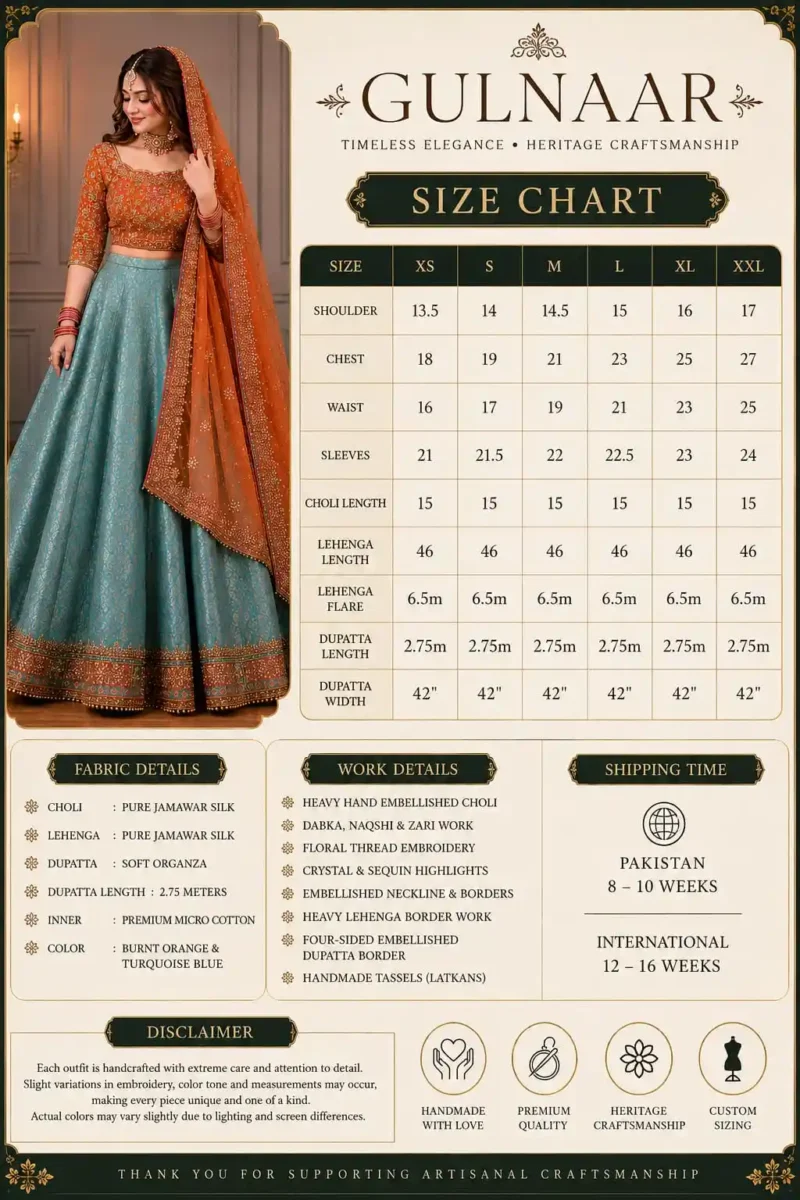
For a richer example of this traditional fabric, you can explore the Gulnaar turquoise Jamawar silk lehenga, paired with a hand-embellished choli and a lightweight organza dupatta.
Most silk lehengas should be dry-cleaned. Store yours in breathable muslin rather than plastic, and keep it away from direct sunlight to reduce fading.
2. Velvet

Velvet feels soft, plush, and regal. Its depth of colour makes even simple embroidery look more dramatic.
It is best suited to winter weddings and evening receptions. The fabric can become uncomfortable in warm weather or crowded indoor venues.
Avoid pressing velvet under heavy clothes, as this can flatten the pile and leave marks. Store it carefully and follow the garment’s professional cleaning instructions.
3. Net or Tulle

Net and tulle are sheer, airy fabrics often used for layered skirts, sleeves, overlays, and dupattas.
They can create volume without the weight of silk or brocade. This makes them useful for summer weddings, sangeet nights, cocktail parties, and reception outfits.
Fine net can catch on jewellery, sequins, heels, and rough surfaces. Hold the garment by its lining rather than pulling the outer layer.
Store delicate net flat or loosely rolled whenever possible.
4. Georgette

Georgette is light, fluid, and slightly textured. It falls close to the body and moves easily while walking or dancing.
It is a comfortable choice for summer weddings, monsoon events, daytime functions, and destination celebrations.
Plain georgette may allow gentle hand washing, but embellished lehengas usually require dry cleaning. Always follow the care label and use low heat when ironing.
5. Organza
Organza is crisp, sheer, and structured. It holds its shape well, giving a lehenga volume without making it look too heavy.
It works beautifully for spring and summer weddings, mehendi functions, brunches, and daytime celebrations.
The fabric can crease and may feel stiff against the skin, so check the lining before buying. Dry cleaning is usually the safest option, especially when the outfit includes embroidery.
Never twist or wring organza.
6. Brocade
Brocade is a woven fabric with raised patterns, often created using metallic threads.
It gives a lehenga a grand, traditional appearance without needing heavy surface embroidery. However, the fabric itself can feel thick and structured.
Brocade is best for winter weddings, festive celebrations, and formal ceremonies.
Dry cleaning is recommended. Store the outfit in breathable cloth with acid-free tissue between the folds. Keep moisture-control products nearby, but do not place them directly against the fabric.
Stylist Tip
For a summer wedding, use organza or georgette for the skirt and keep heavier silk, velvet, or brocade for a smaller part of the outfit, such as the blouse border or dupatta. You still get richness without carrying unnecessary weight. When shopping online or ordering a custom lehenga, request a fabric swatch first. Check its colour, texture, transparency, and weight in natural light before approving the full outfit.
Lehenga Styles by Occasion
The right lehenga should suit both the mood of the event and what you will actually be doing.
A style that looks beautiful during a short reception may feel difficult during long wedding rituals or hours of dancing.
1. Wedding or Baraat

For brides, circular and trail lehengas create the most traditional grandeur. Red and maroon remain classic choices, while soft pastels offer a lighter alternative.
Brides looking beyond traditional red can shop the Hazel Éclat green silk bridal lehenga, which combines a rich hazel tone with antique-gold embellishment for a distinctive wedding look.
An A-line lehenga is more practical when the ceremony involves long rituals, repeated sitting, or plenty of walking.
Wedding guests can choose A-line or panelled lehengas in silk, brocade, or another rich fabric. A statement dupatta can add interest without making the entire outfit too heavy.
Colour customs differ between families and communities, so check whether any shades are traditionally reserved or avoided.
2. Sangeet or Cocktail Party

A sangeet outfit should allow you to move.
Brides can choose a lightweight mermaid or high-low lehenga with a structured corset choli. A cape-style dupatta gives drama without needing constant adjustment.
Guests can wear straight, jacket, or lighter flared lehengas with sequins, mirror work, or bold colour.
Test the outfit by walking, sitting, and raising your arms. Comfortable footwear and secure blouse fitting matter more than extra embroidery on the dance floor.
3. Mehendi or Haldi

Mehendi and haldi functions usually call for lighter, brighter, and easier outfits.
Brides can wear an A-line or softly flared lehenga in yellow, green, orange, or floral shades. Organza, lightweight georgette, and breathable cotton blends work well.
Guests can choose panelled or flared lehengas with playful prints, gota work, orfloral embroidery. Keep jewellery manageable and avoid long sleeves ortrailing dupattas that may get caught during activities.
For a more colourful statement, discover the Rangreza Katan silk mehndi lehenga, designed with rich jewel tones and detailed hand embroidery for festive celebrations.
4. Reception

A reception allows for a more polished and glamorous look.
Brides can choose a trail or mermaid lehenga in pastel, jewel, or metallic tones. A detachable trail gives you drama during the entrance and photographs, then easier movement later.
For a softer and more refined reception palette, view the Ivory Rosette pearl off-white bridal lehenga, handcrafted in pure silk with pearl, crystal, blush, and champagne-gold details.
Guests can wear jacket, straight, or softly fitted lehengas in velvet, georgette, silk, or structured organza.
A belt can secure the dupatta and define the waist, but it should not feel tight while sitting.
5. Festivals

For Diwali, Navratri, and other festive celebrations, choose a lehenga that feels colourful and easy to wear.
A-line and panelled styles work well with bandhani, mirror work, gota patti, prints, and bright colour combinations. For a festive outfit with a richer, more formal finish, explore the hand-embellished Naubahar silk lehenga set, created for celebrations where traditional craftsmanship needs to make a stronger impression.
For dancing events such as Navratri, prioritise a secure choli, breathable fabric, and a skirt length that will not catch under your feet.
A backless or statement choli can add a modern touch, but the fit should remain supportive enough for several hours of movement.
Lehenga Guide by Body Type
Body shape can help you narrow down your options, but it should never limit what you wear.
Use these suggestions as a starting point. The best lehenga is still the one that fits properly, feels comfortable, and makes you confident.
1. Pear-Shaped Body

A pear-shaped body usually has wider hips and narrower shoulders.
The goal is to create balance by drawing attention towards the upper body.
A-line, circular, and softly panelled lehengas work well because they skim the hips without clinging too closely. Avoid heavy embroidery directly around the widest part of the skirt if you want a lighter, more balanced look.
Off-shoulder cholis, halter necks, and statement sleeves can add width and detail around the shoulders.
A one-shoulder or front-pallu dupatta also helps bring focus upwards.
Stylist Tip: Pair a simpler skirt with a more detailed choli or dupatta to balance your proportions.
2. Apple-Shaped Body

An apple-shaped body often carries more fullness around the middle, with slimmer hips or legs.
The goal is to create a longer line through the torso and add gentle waist definition.
A-line, panelled, and high-waisted straight lehengas are usually flattering. Very stiff pleats or tightly fitted mermaid cuts may feel less comfortable around the middle.
Choose a structured choli with good support. A V-neck or slightly longer blouse can help lengthen the upper body.
A belted dupatta can define the waist, but it should sit comfortably rather than press into the stomach.
Stylist Tip: Structure matters more than tightness. A supportive blouse should shape the body without restricting breathing or movement.
3. Hourglass Body

An hourglass body has a defined waist with balanced bust and hip proportions.
Most lehenga silhouettes work well on this shape, especially mermaid, A-line, and trail styles.
A fitted mermaid lehenga highlights curves, while an A-line gives a softer and more comfortable version of waist definition.
Crop tops, sweetheart necklines, corset cholis, and backless designs can all work well.
Use a belted dupatta or front pallu if you want to keep the waist visible.
Stylist Tip: Avoid covering the narrowest part of the waist with too many layers if you want to maintain a defined silhouette.
4. Rectangle Body

A rectangle body has similar shoulder, waist, and hip widths.
The goal is usually to create more shape and movement.
Circular lehengas, flared panelled styles, and high-low hems can add volume around the lower body. Very straight or pencil silhouettes may make the frame appear even more linear.
Peplum cholis, ruffles, statement sleeves, and detailed blouses can create extra dimension.
A cape or belted dupatta can also add shape without making the outfit feel heavy.
Stylist Tip: Use volume in one or two areas rather than everywhere. A flared skirt with a shaped blouse often looks more balanced than an outfit with heavy layers from top to bottom.
5. Petite Frame

Petite women are generally 5’3″ or under, although proportions matter more than height alone.
The goal is to create a clean, lengthened line without overwhelming the frame.
A-line, straight-with-slit, and high-low lehengas are practical choices. Very wide circular skirts, oversized borders, and long heavy trails may make the outfit feel bulky.
Choose crop cholis, V-necks, vertical embroidery, and smaller motifs.
A one-shoulder or front-pallu drape works well when the dupatta is not too wide or heavily layered.
Stylist Tip: Monochromatic colours and vertical panels create one continuous line, which can make the frame appear taller.
6. Tall Frame

Tall women can usually carry longer skirts, wider flare, and more dramatic details with ease.
Circular, trail, panelled, and mermaid lehengas all work well. The main goal is proportion rather than avoiding a specific silhouette.
High necks, statement sleeves, backless cholis, and longer blouses can balance the height beautifully.
An over-the-head drape or double dupatta can add grandeur for bridal events.
Stylist Tip: Check that the lehenga is long enough to sit properly with your chosen footwear. A skirt that ends too high can make even an expensive outfit look poorly fitted.
A Better Way to Choose
Body-type advice is useful, but fit, fabric, and comfort matter just as much.
Try the full outfit with your footwear and dupatta. Walk, sit, turn, and raise your arms before deciding.
A simple body-shape quiz can also help readers narrow down their best starting silhouettes before shopping.
Latest Lehenga Trends for 2026
Lehenga trends in 2026 focus on comfort, lighter fabrics, and stronger blouse designs.
1. Soft Pastel Colours

Soft pink, lavender, mint green, and powder blue are popular choices for daytime weddings. Pastels can sometimes look pale in photographs, so add contrast through jewellery, embroidery, or a deeper lip colour.
Another way to create contrast is to explore the Ruby Jade Étoile off-white silk bridal lehenga, where ruby-red and jade-green floral details stand out against a luminous pearl base.
2. Lightweight Lehengas

Many brides now prefer lehengas they can wear comfortably for several hours.
Organza, tulle, georgette, and lightweight silk create movement without excessive weight. Delicate threadwork, sequins, and floral appliqué can add detail without making the skirt difficult to carry.
3. Cape Dupattas and Jackets

Cape dupattas provide the drama of a traditional drape without constant pinning and adjustment.
Embroidered jackets are also a stylish option for receptions and winter weddings. Keep the skirt simple when the jacket is already heavily detailed.
4. High-Low Hemlines

High-low lehengas are appearing at mehendi functions, sangeet nights, and cocktail events.
The shorter front makes walking easier and allows statement footwear to remain visible.
5. Statement Cholis

The blouse is becoming the main feature of many lehenga sets.
Corset structures, dramatic sleeves, deep backs, mirror work, and detailed necklines can turn a simple skirt into a statement outfit.
6. Sustainable and Vintage Styles

Some brides are reusing family textiles, restoring older embroidery, or redesigning heirloom lehengas.
This can make the outfit more personal while reducing the need to buy an entirely new bridal set.
Before publishing specific runway or designer claims, confirm them through an official collection page or a reliable fashion publication.
Lehenga Styling Tips
1. Jewellery

Let the embroidery guide your jewellery choice.
Wear a statement choker or earrings with a heavily decorated lehenga. With a simpler outfit, you can add layered necklaces, a matha patti, or haath phool.
Polki and uncut stones work well for weddings, while floral jewellery remains a practical choice for mehendi functions.
2. Footwear

Choose shoes according to the venue and event length.
Block heels and wedges are safer for outdoor functions. Stilettos suit shorter receptions, while embroidered juttis and mojaris are more comfortable for long ceremonies.
Wear new shoes around the house before the event. This helps prevent blisters and discomfort.
3. Makeup and Hair

For daytime events, soft curls, fresh makeup, and lighter colours usually work well.
For evening functions, you can choose smokey eyes, a deeper lip colour, or a sleek bun that shows the choli neckline and back.
Use one accent shade from the lehenga in your makeup rather than matching every colour exactly.
4. Dupatta Hacks

Use a decorative belt to secure the dupatta and define the waist.
A cape-style drape is easier for dancing, while a one-shoulder drape keeps the blouse visible.
When the bridal dupatta is very heavy, wear it for the ceremony and photographs, then change into a lighter one for the reception.
Keep fashion tape, safety pins, and a small sewing kit nearby for quick adjustments.
Care and Maintenance
1. Storage

Store your lehenga in breathable muslin rather than plastic.
Use padded hangers for lighter outfits. Very heavy lehengas are often safer stored flat, as hanging them for long periods may stretch the waistband or fabric.
2. Cleaning

Silk, velvet, brocade, and heavily embellished lehengas should usually be professionally dry-cleaned.
For a small stain, blot gently instead of rubbing. Never twist or wring delicate fabric.
3. Long-Term Preservation

Air the lehenga for a few hours after wearing it before putting it away.
Place acid-free tissue between folds to protect embroidery. Moisture-control packets may be kept inside the storage box, but they should not touch the fabric directly.
If you plan to pass the lehenga down, professional textile preservation may be worth considering.
Frequently Asked Questions
Can a pear-shaped woman wear a mermaid lehenga?
Yes, but the fit needs careful attention. Add detail around the shoulders through an embroidered blouse, statement sleeves, or a fuller dupatta drape.
An A-line or softly panelled lehenga may feel more balanced and comfortable.
How can I tell if a lehenga is too heavy?
Wear the complete outfit and walk, sit, turn, and climb a few steps.
If the waistband digs in, the skirt pulls down, or you feel tired within a few minutes, choose a lighter fabric or reduce the embroidery.
Which fabric is best for a summer wedding?
Georgette, organza, net, and lightweight silk are practical options.
Also check the lining and number of layers, as these can make a light outer fabric feel warm.
Can I wear a lehenga without a dupatta?
Yes. This works well for receptions, cocktail parties, and modern celebrations.
A cape, embroidered jacket, or statement blouse can replace the dupatta.
How much should I spend on a lehenga?
The price depends on the fabric, embroidery, tailoring, and designer.
Semi-stitched lehengas may begin around ₹5,000, while designer bridal outfits can cost several lakhs. Set your budget before shopping and include alteration, blouse stitching, and accessory costs.
Renting can be practical for a one-time event.
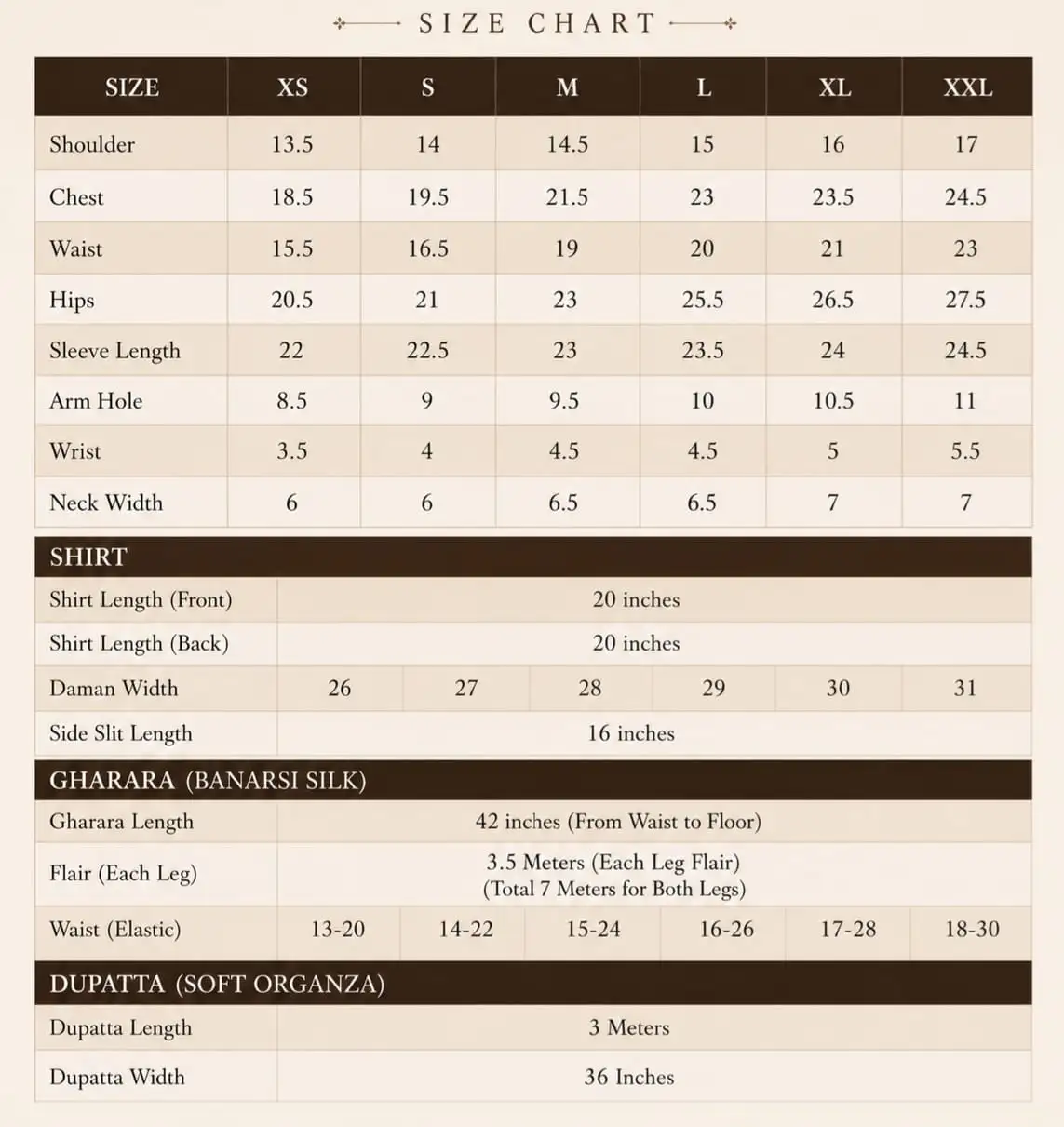
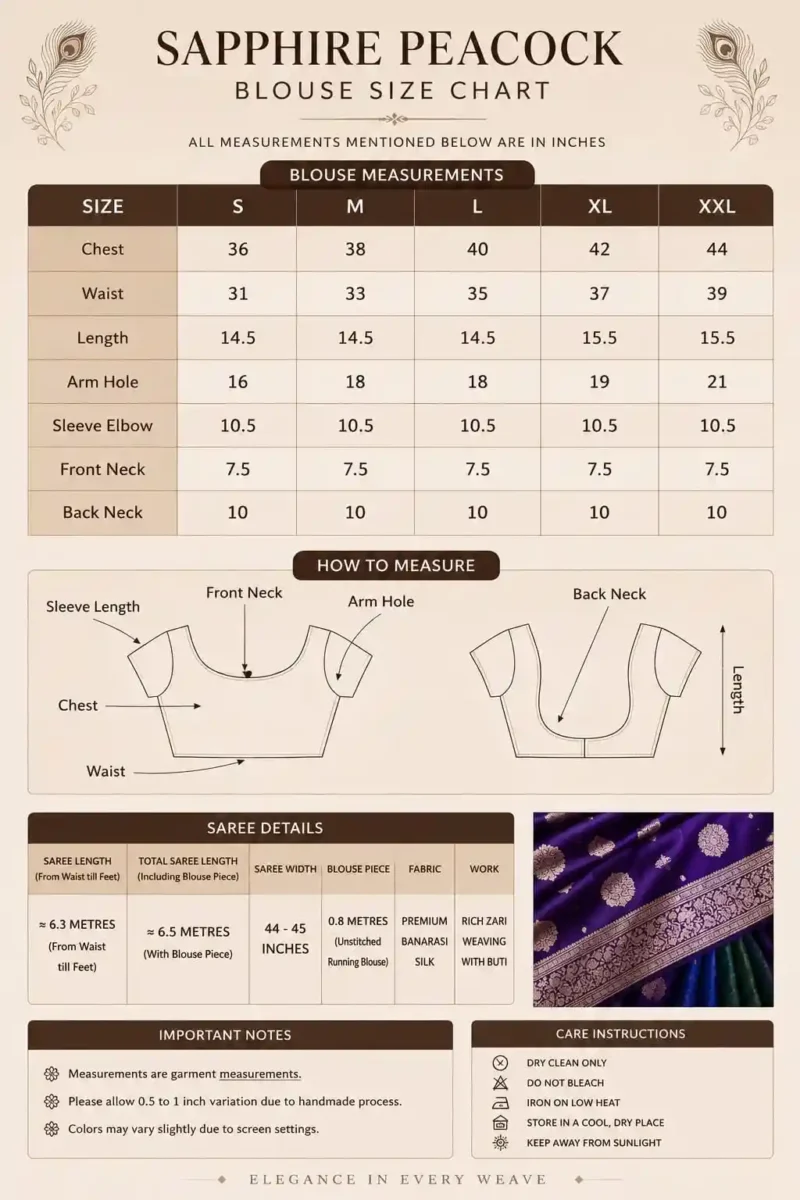
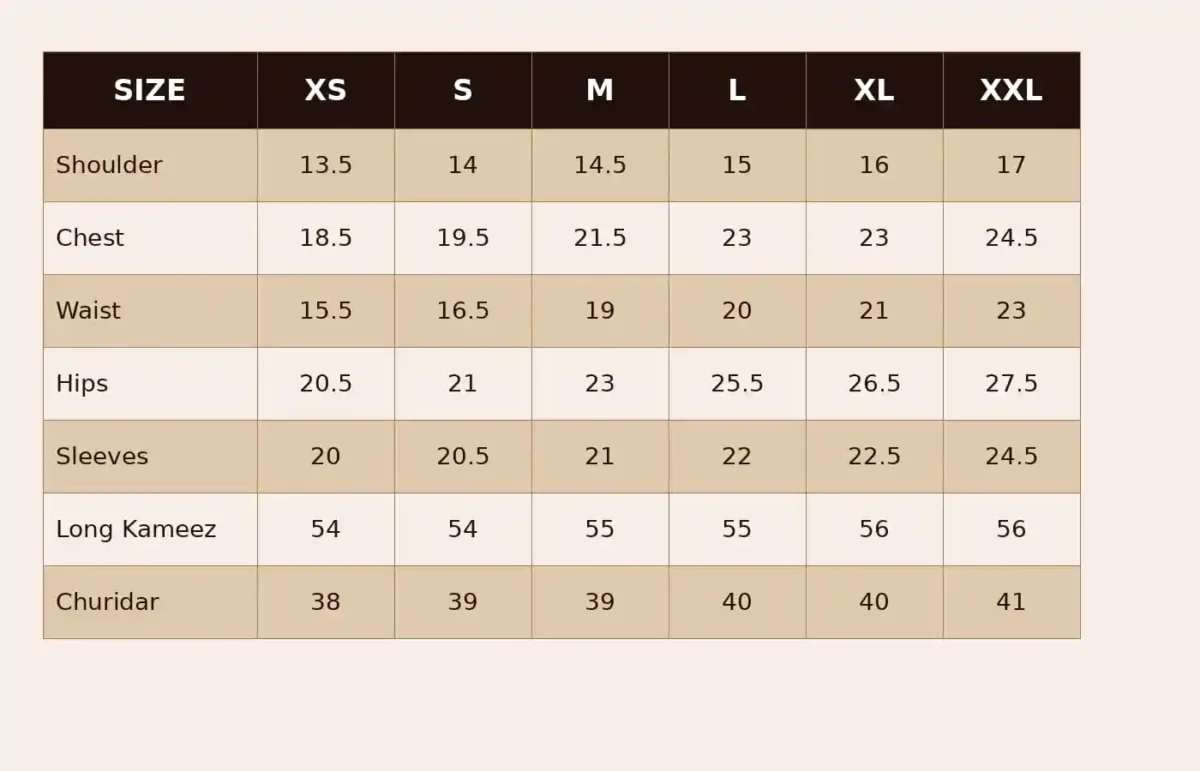
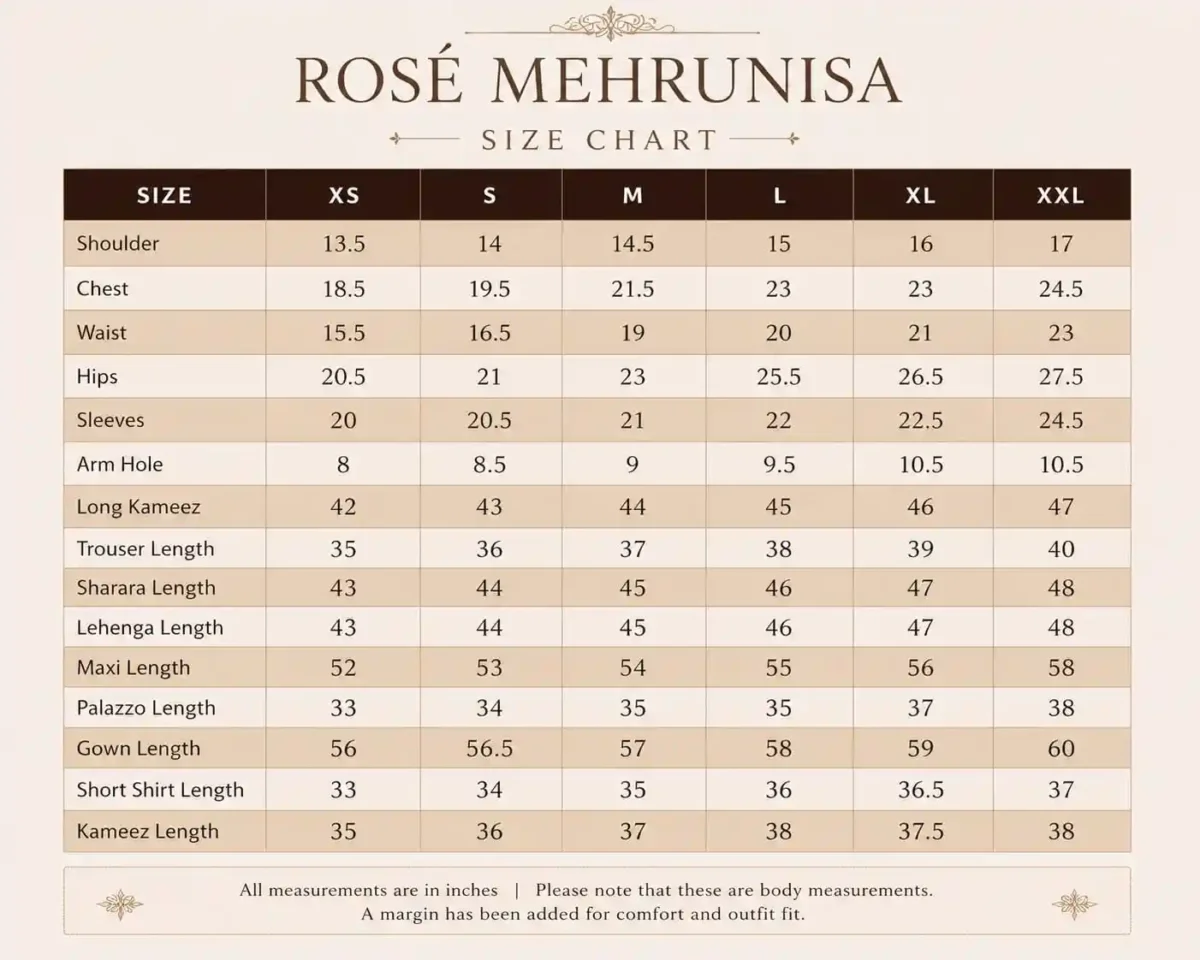
How should I choose a blouse size online?
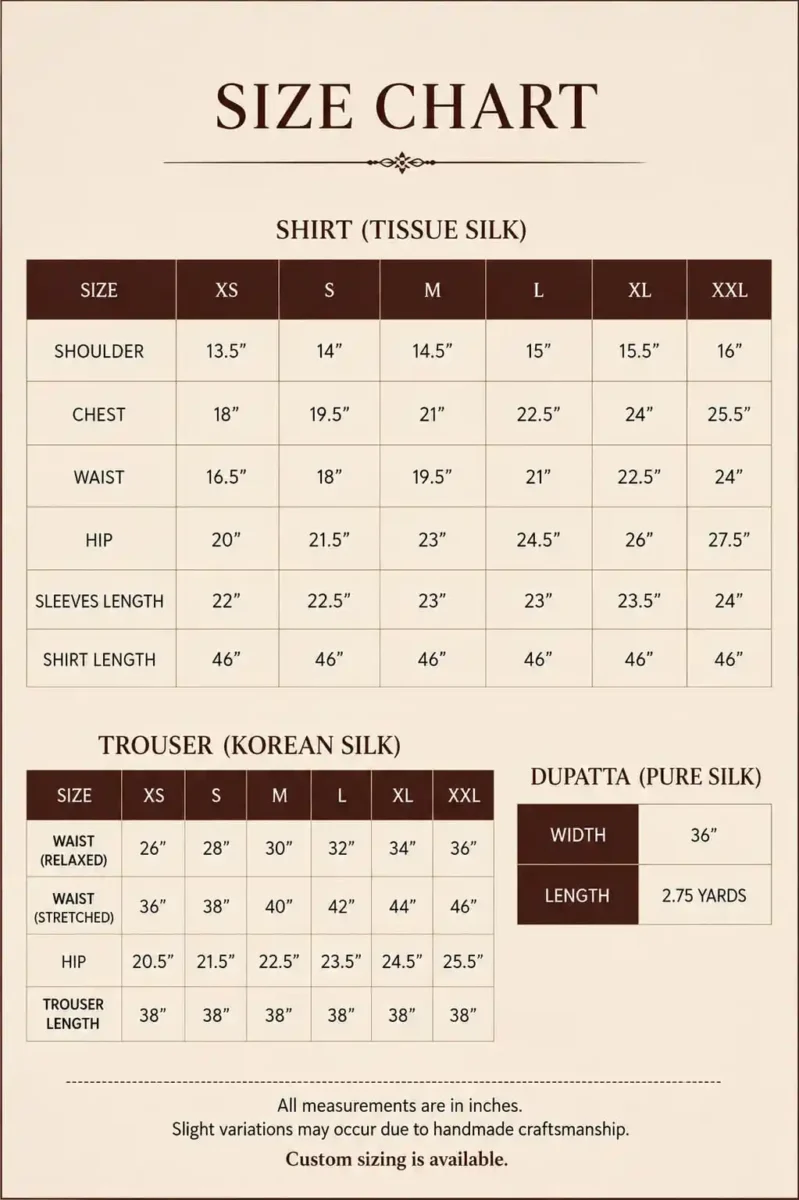
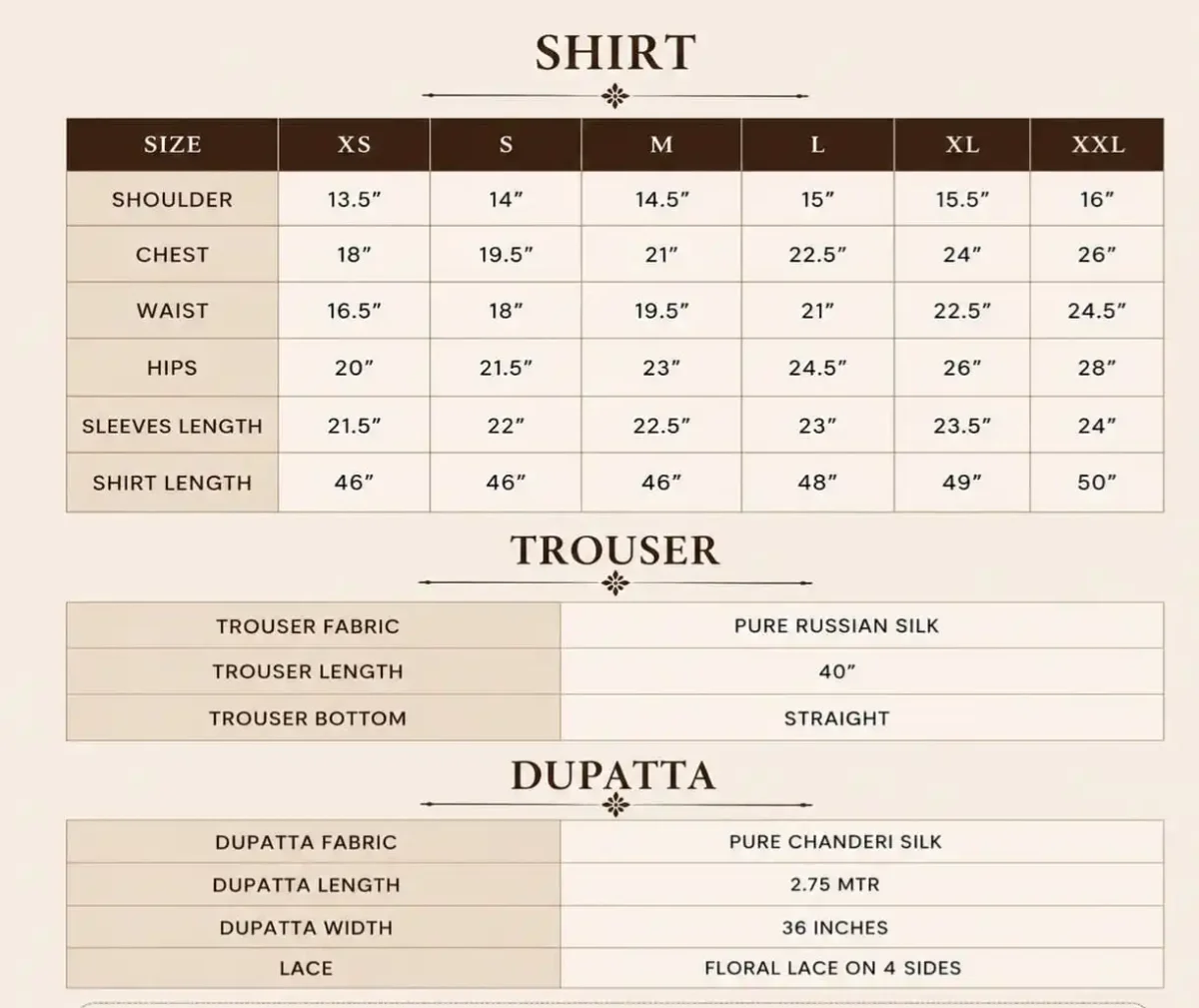
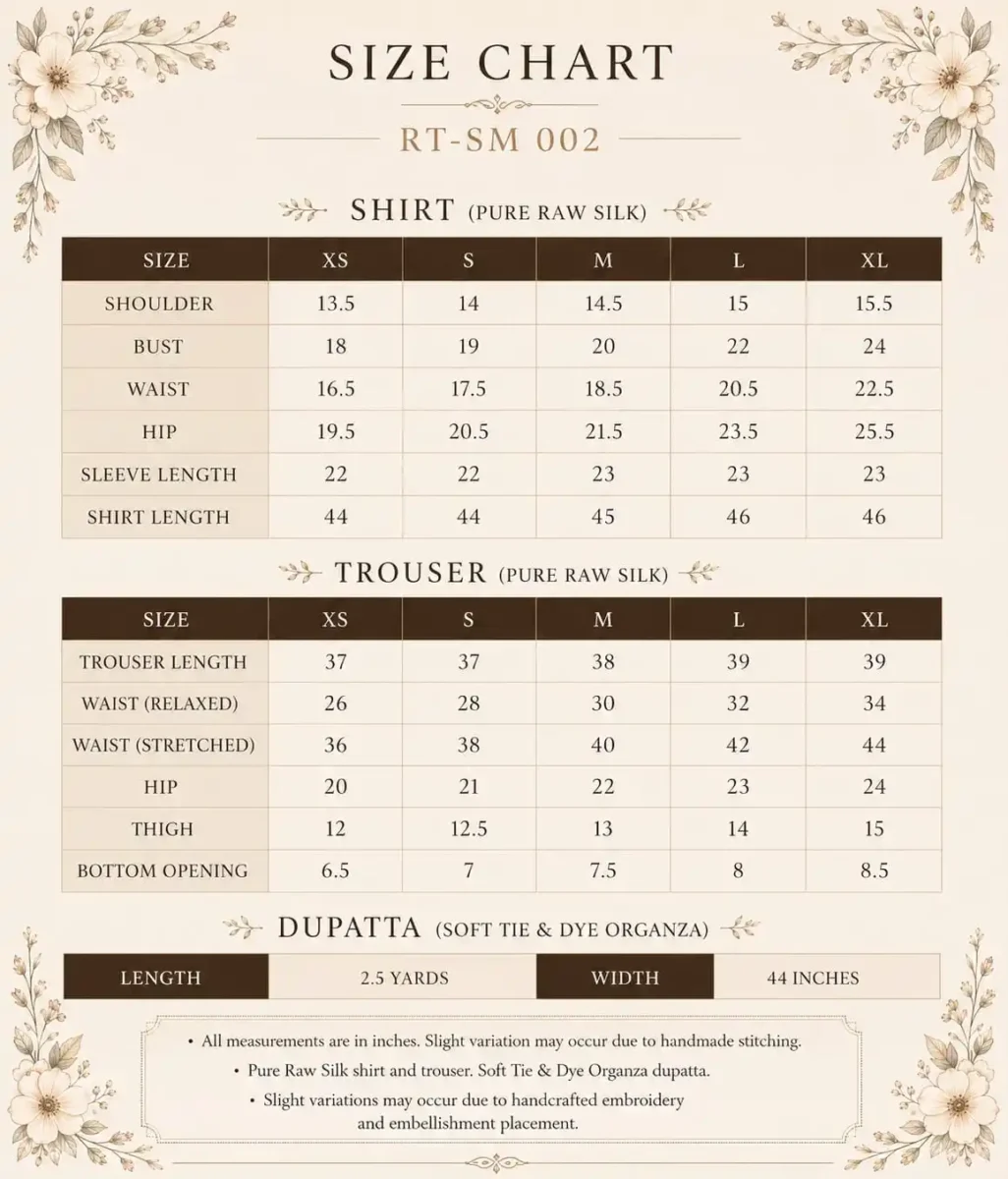
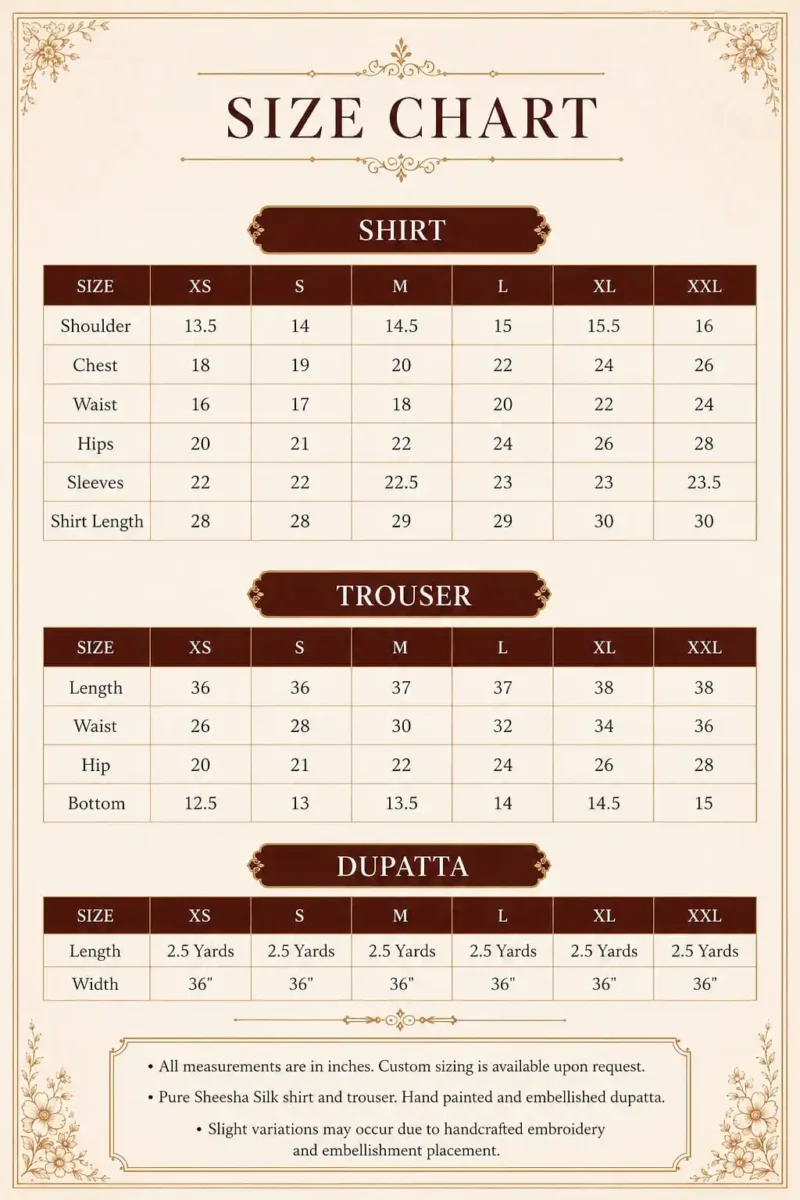
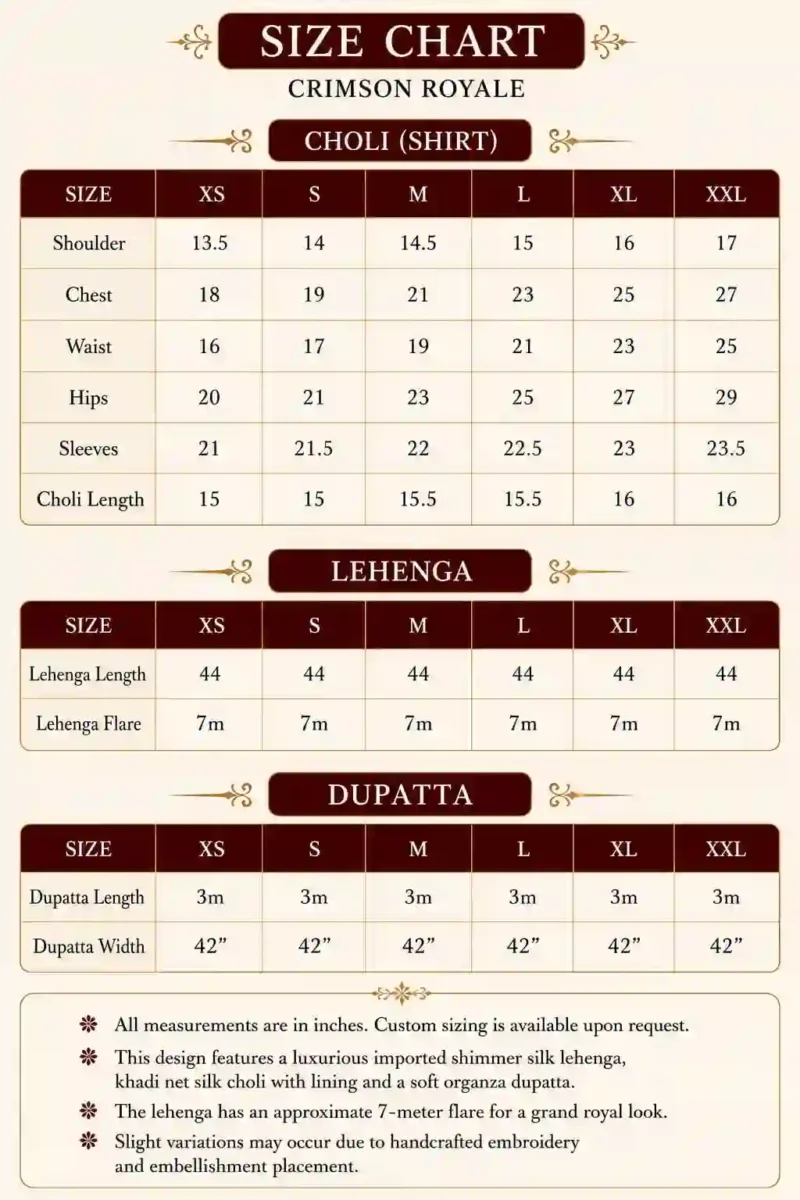
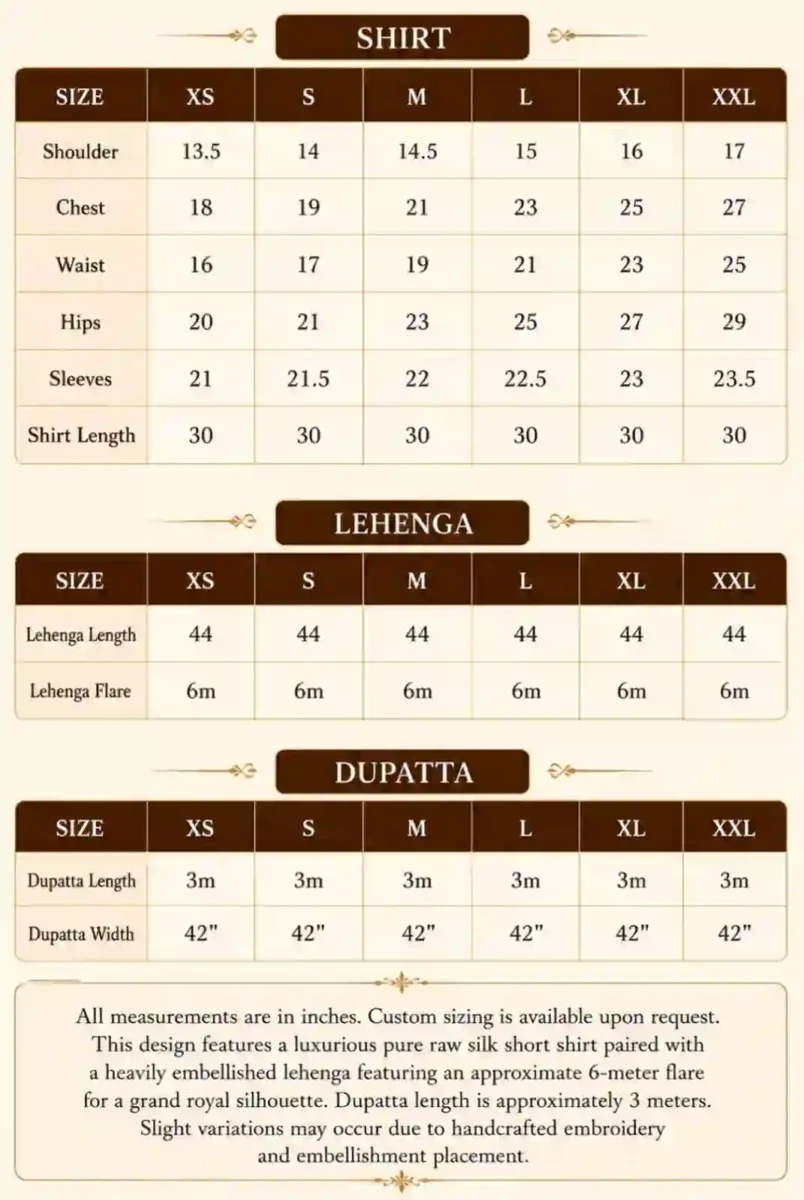
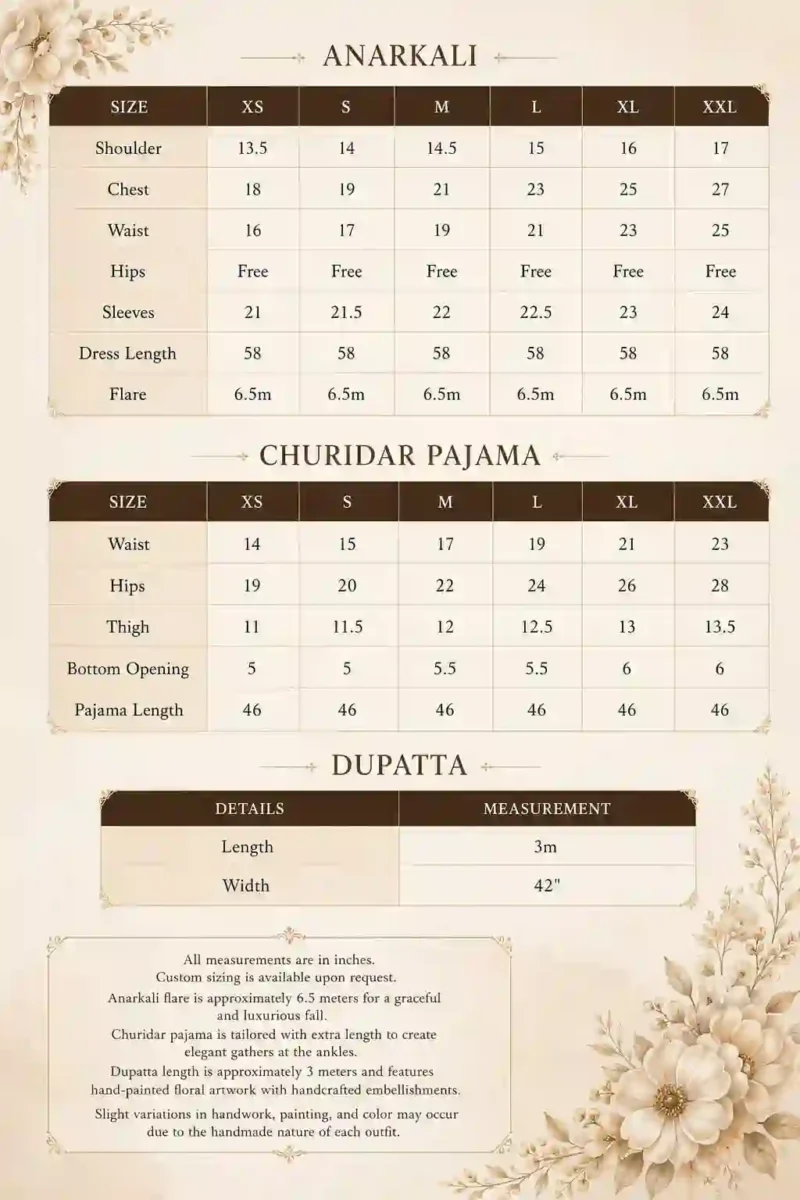
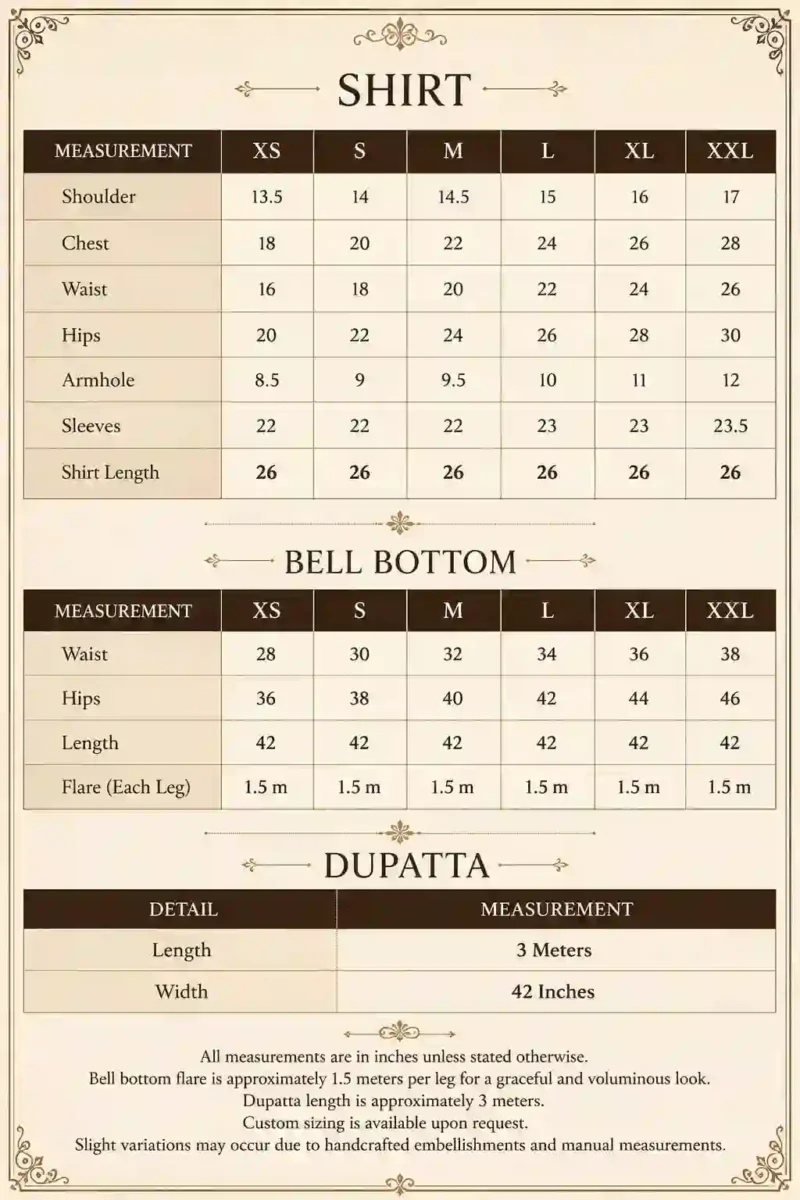
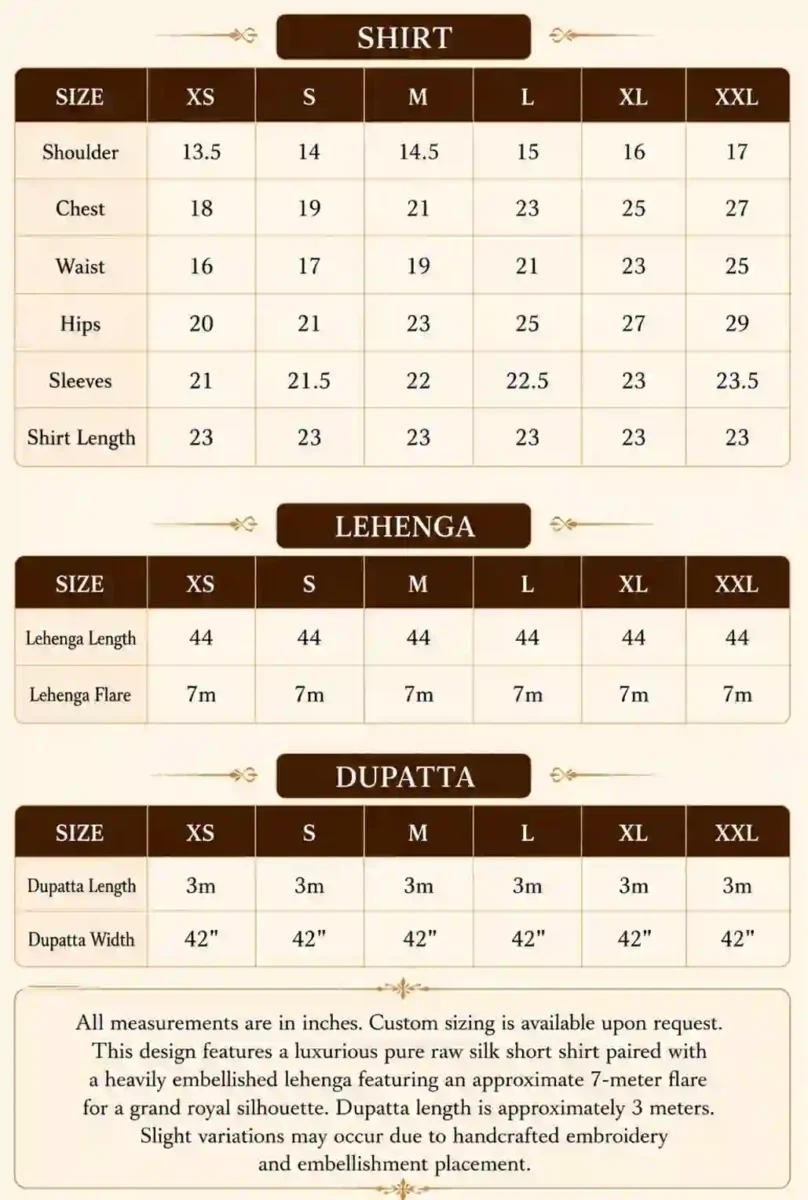
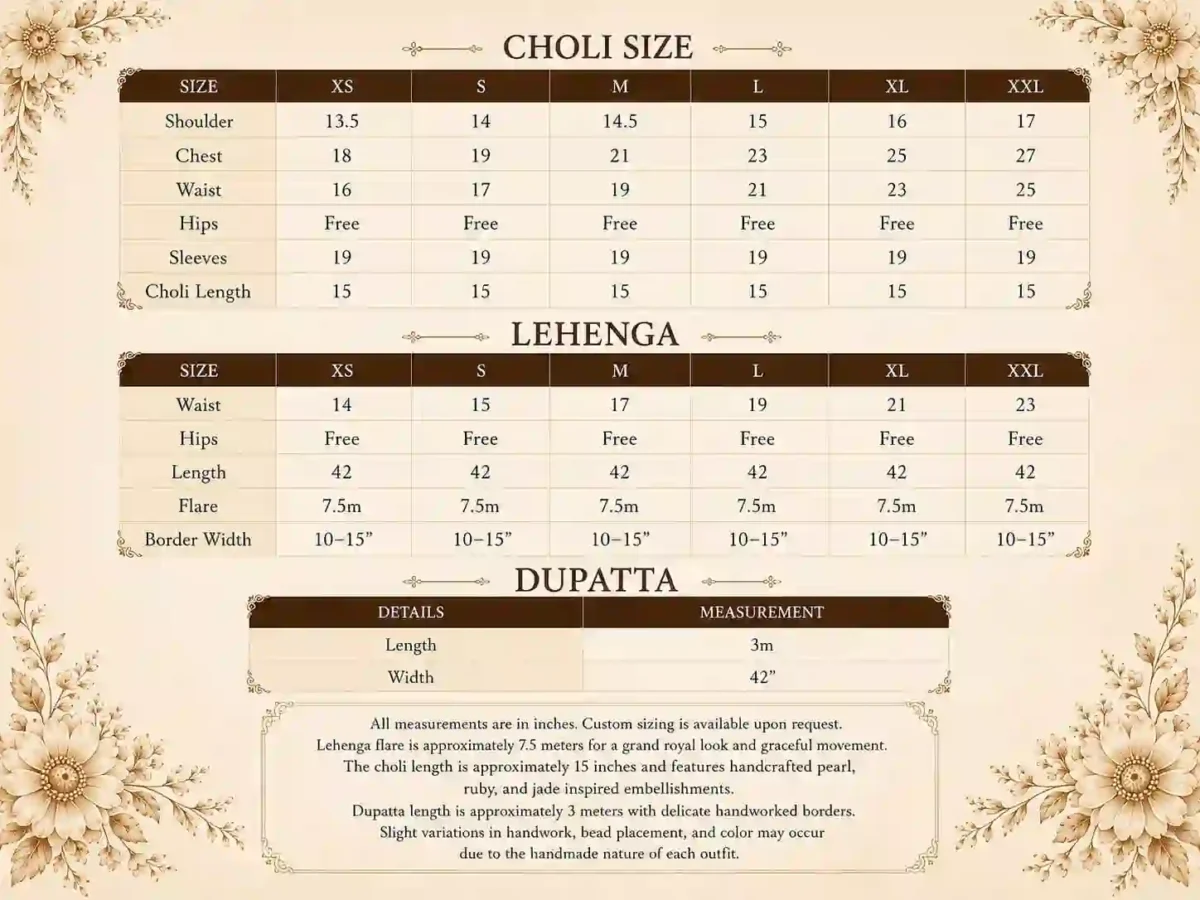
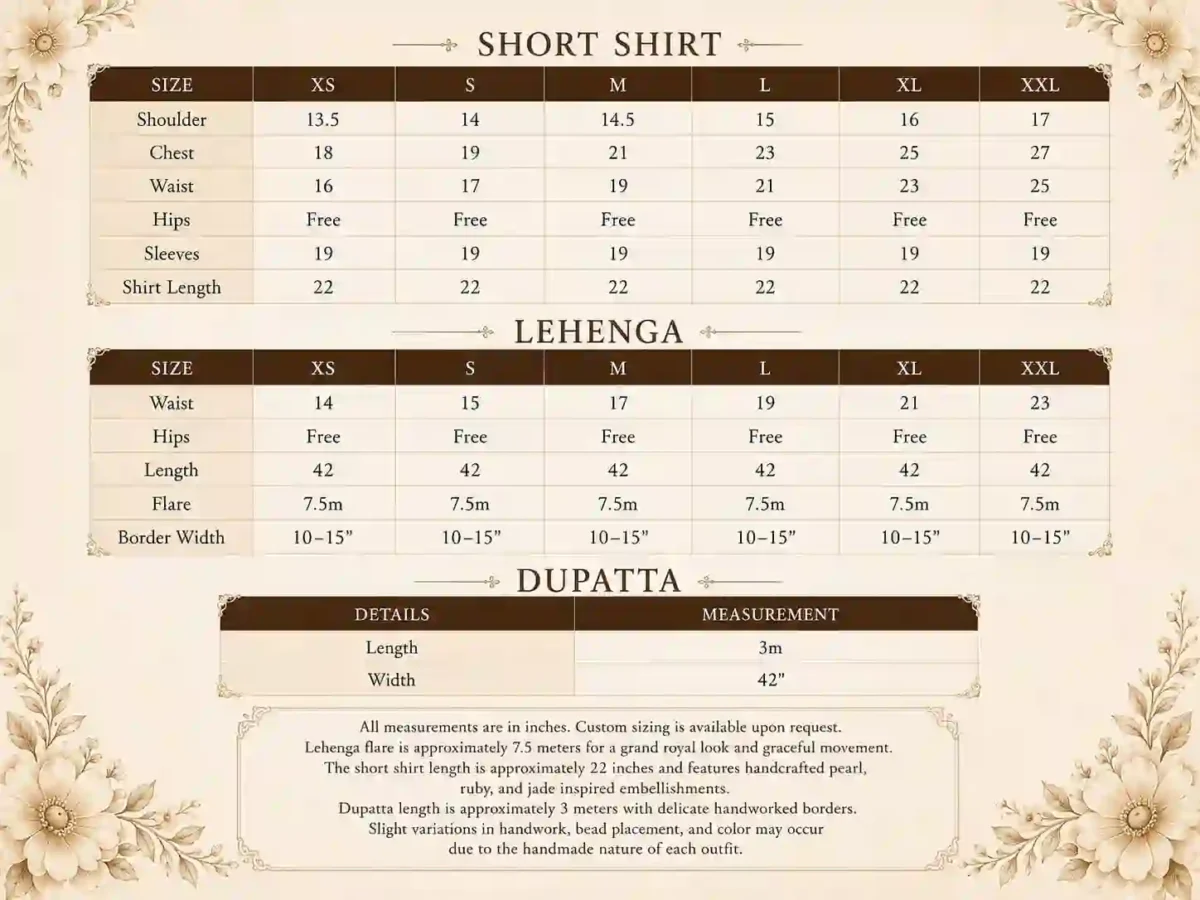
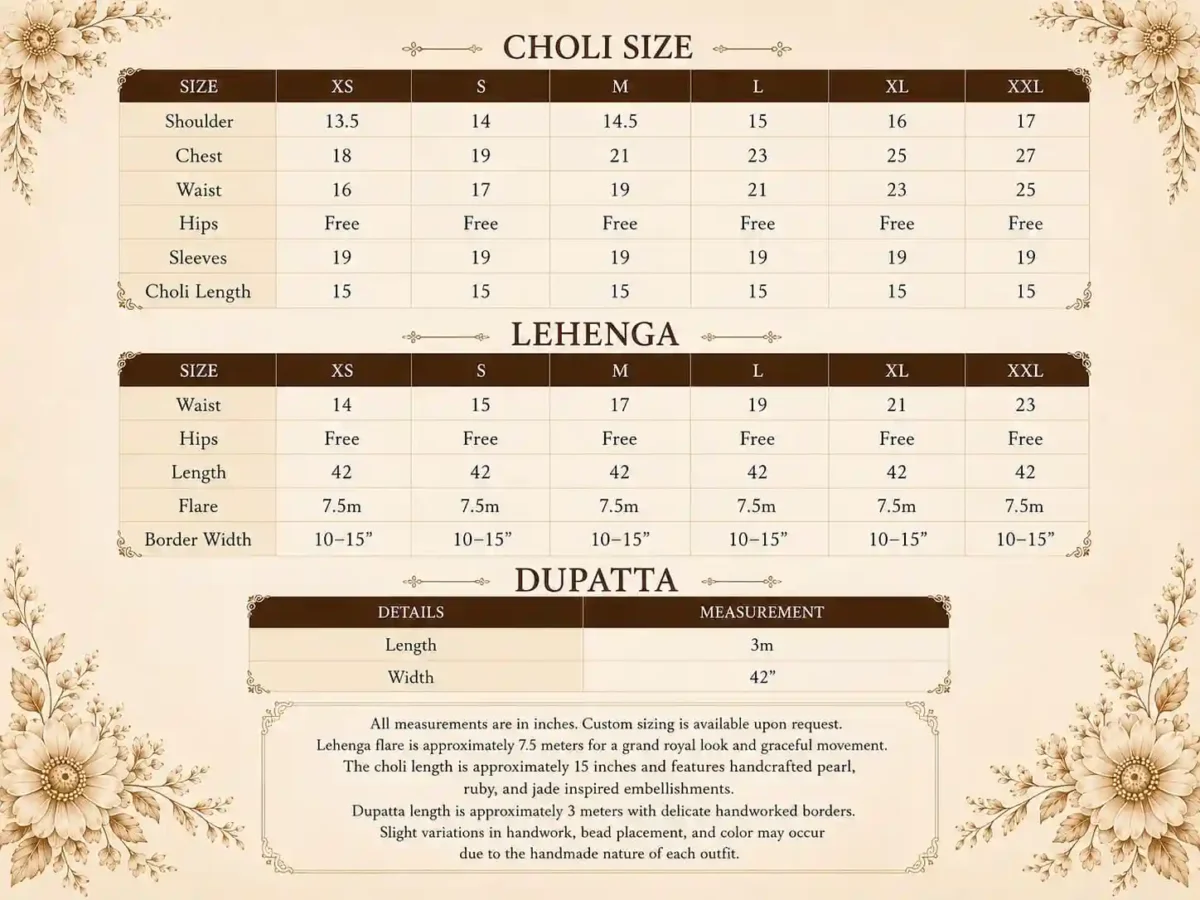
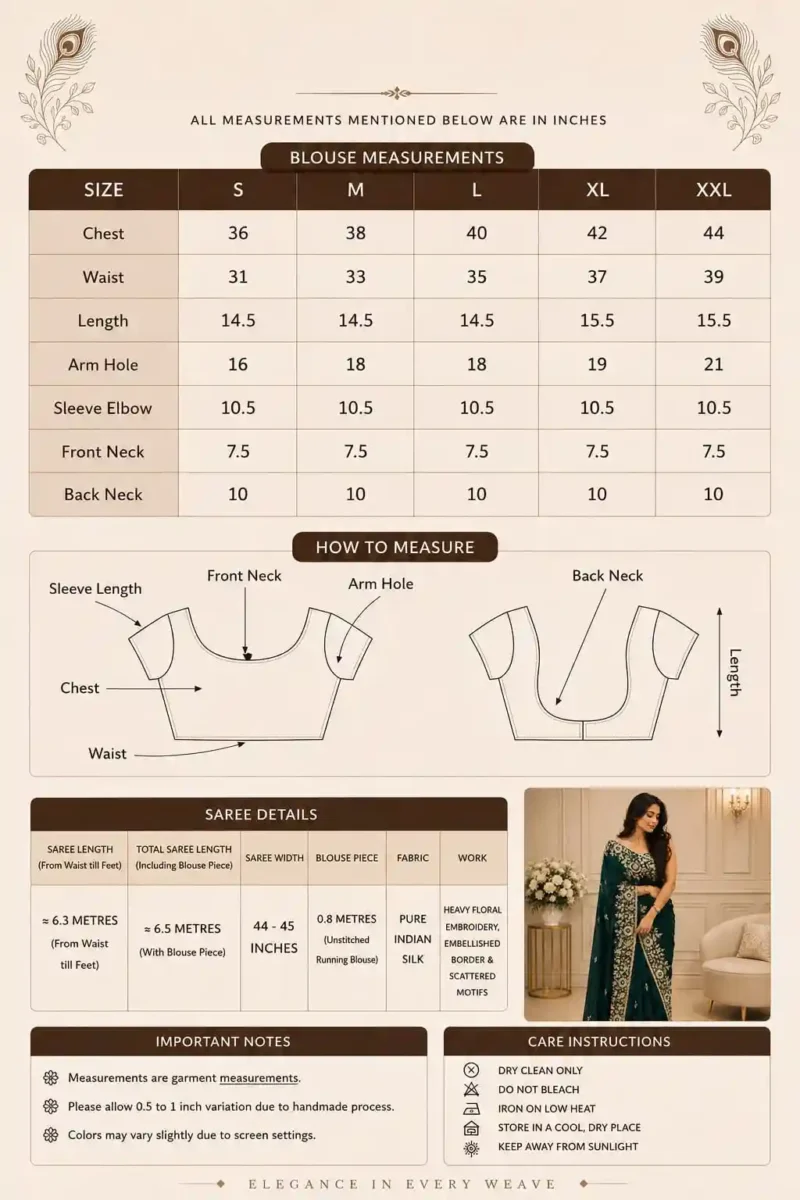
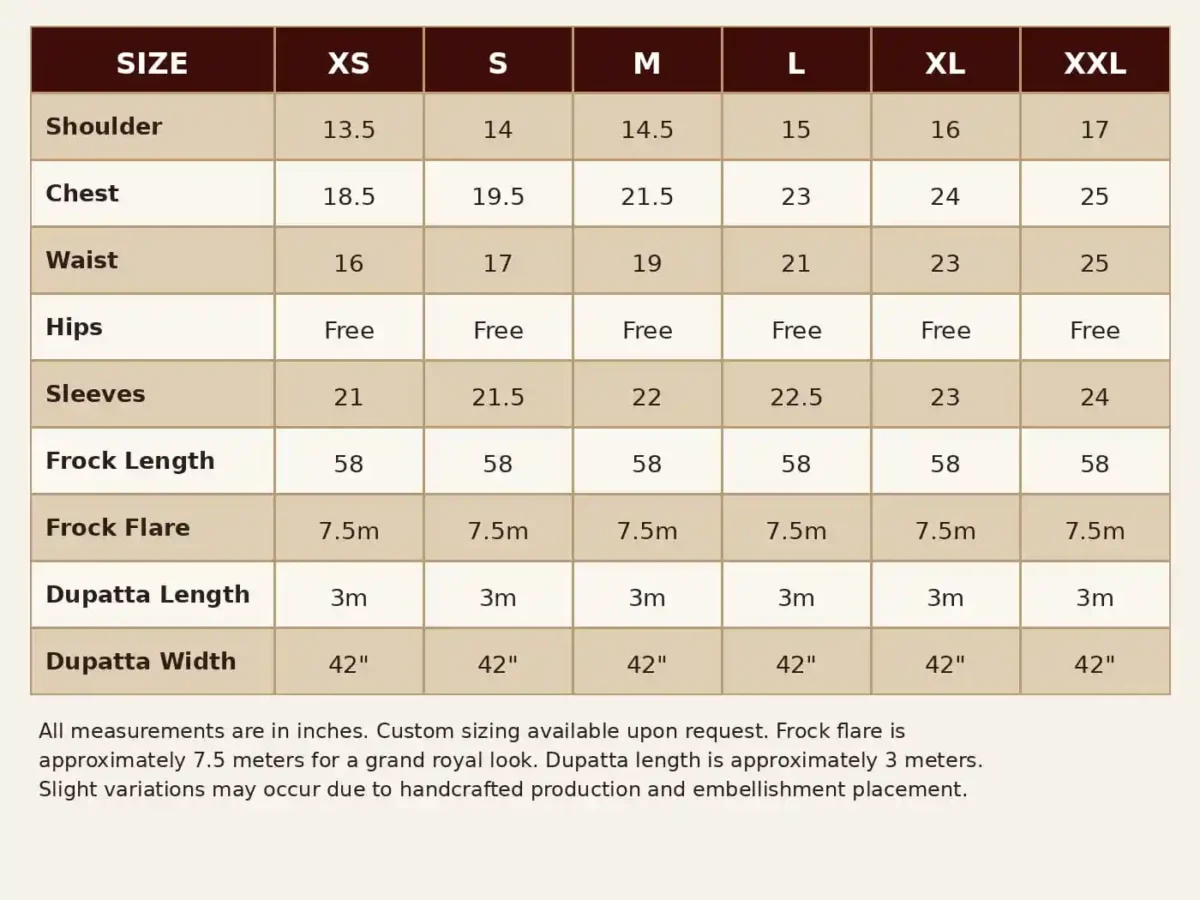
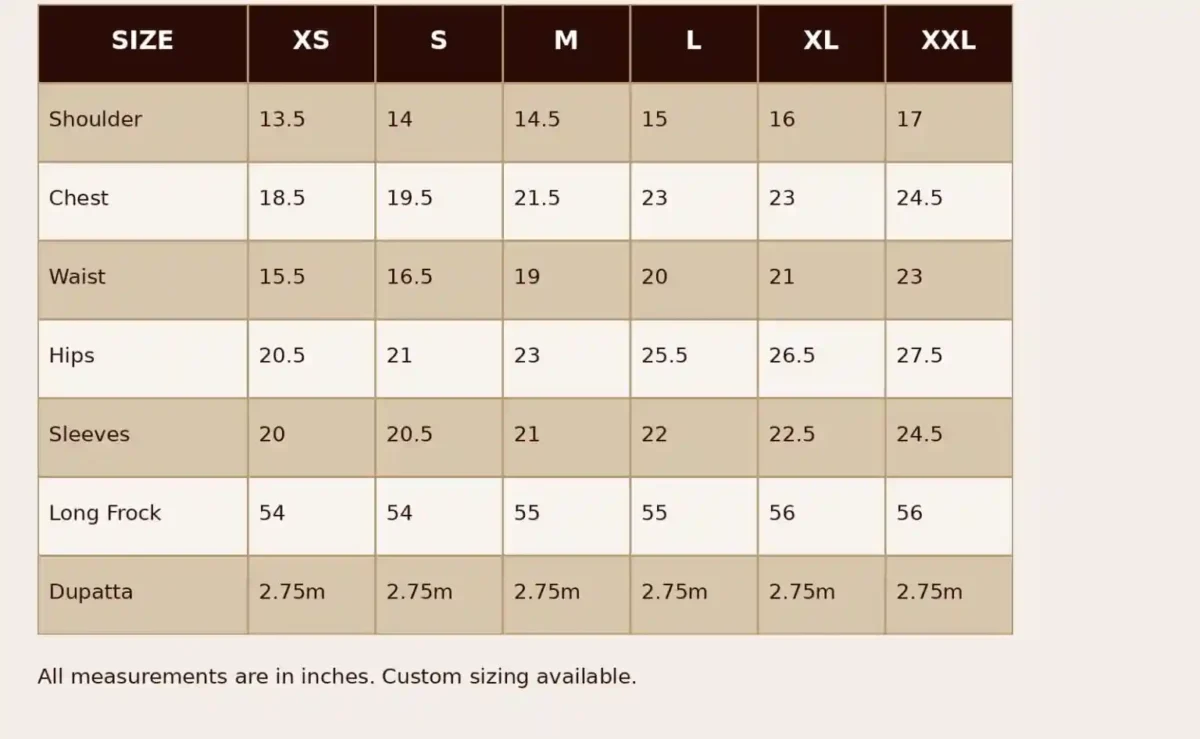
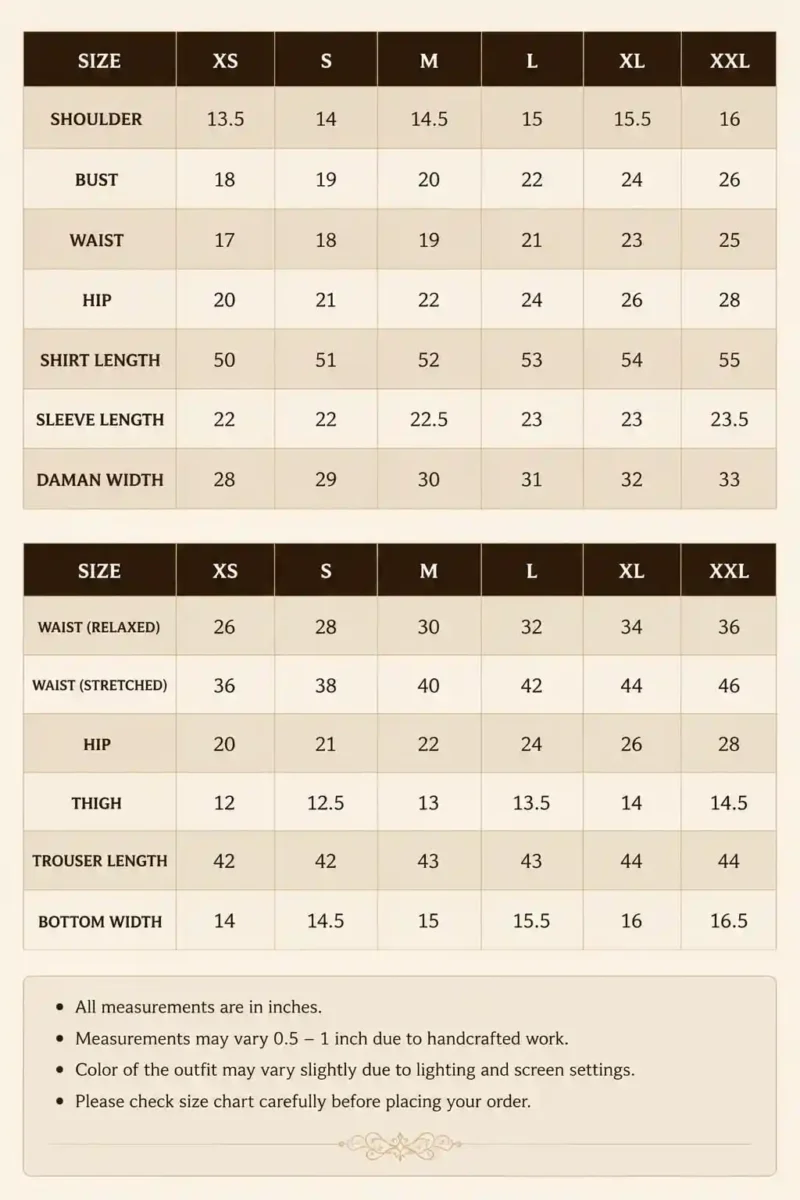
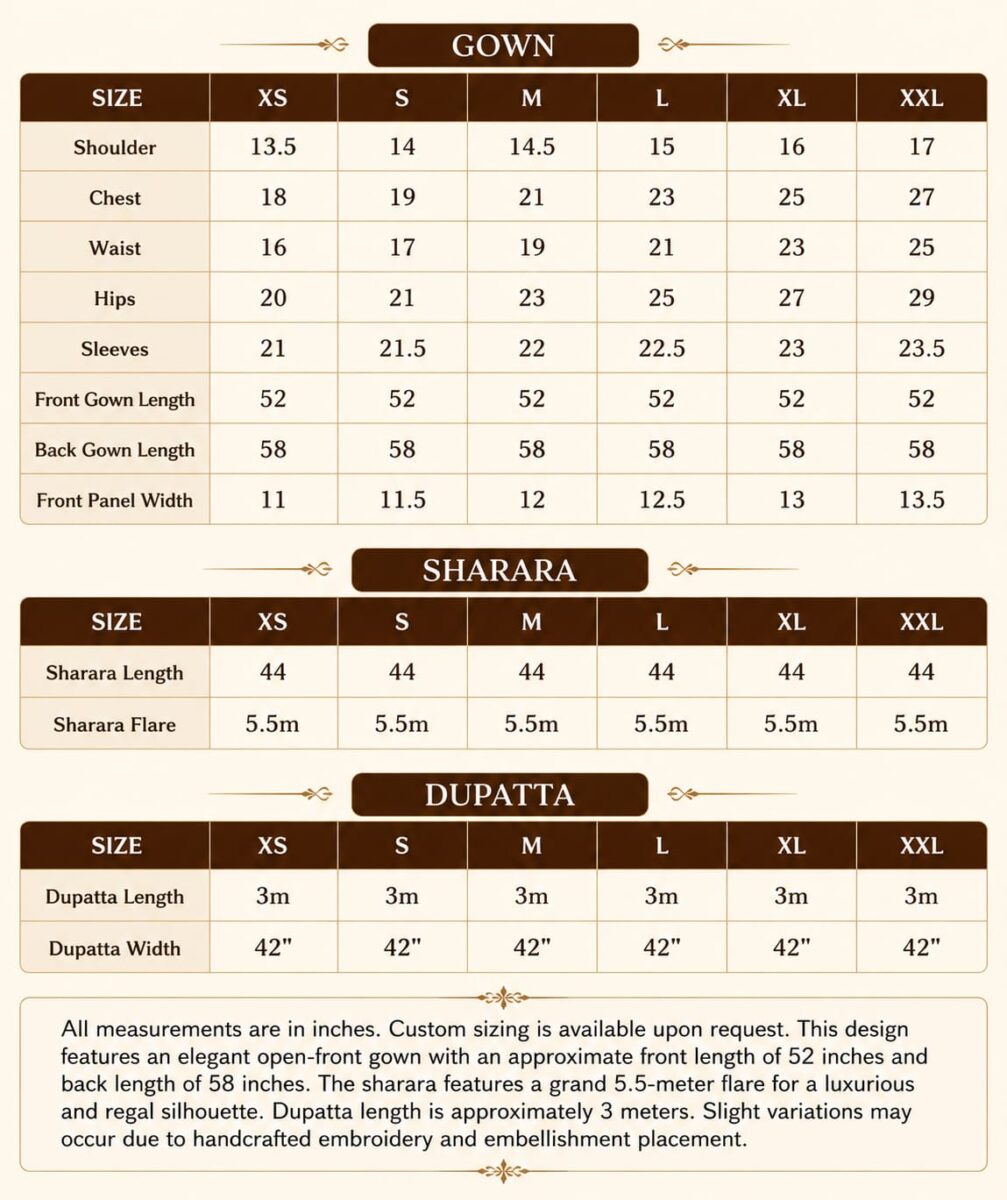
Measure your bust, underbust, waist, shoulders, and blouse length before ordering.
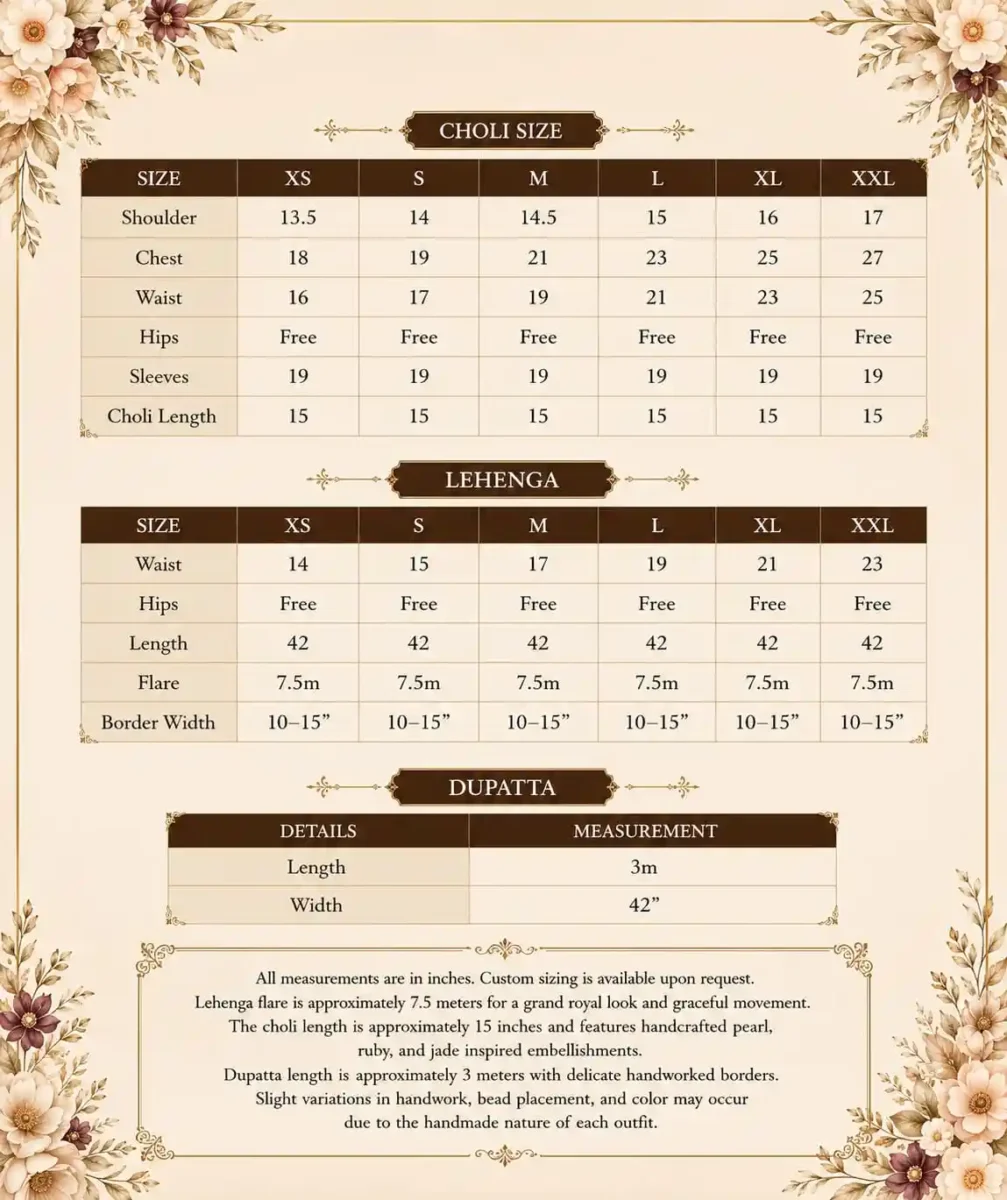
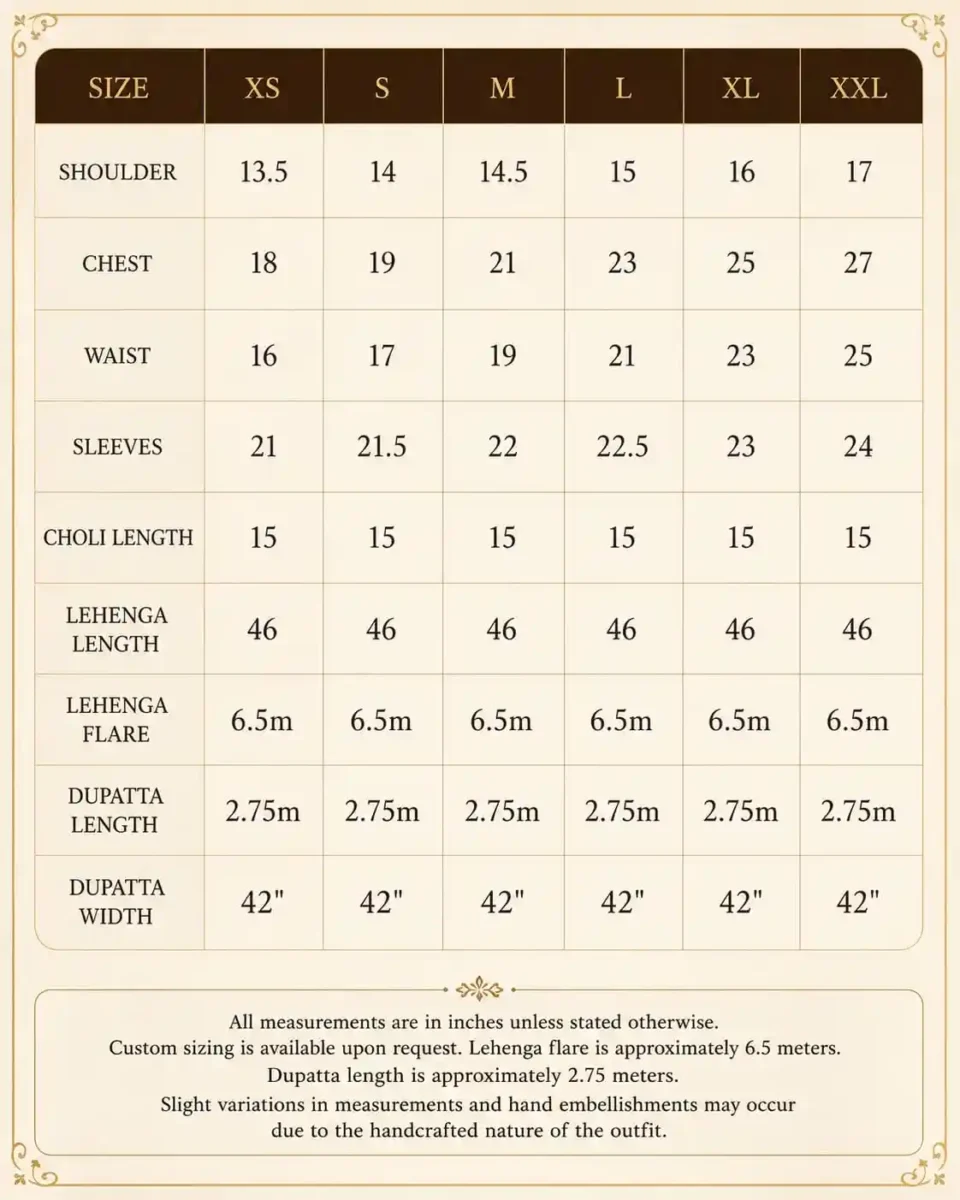
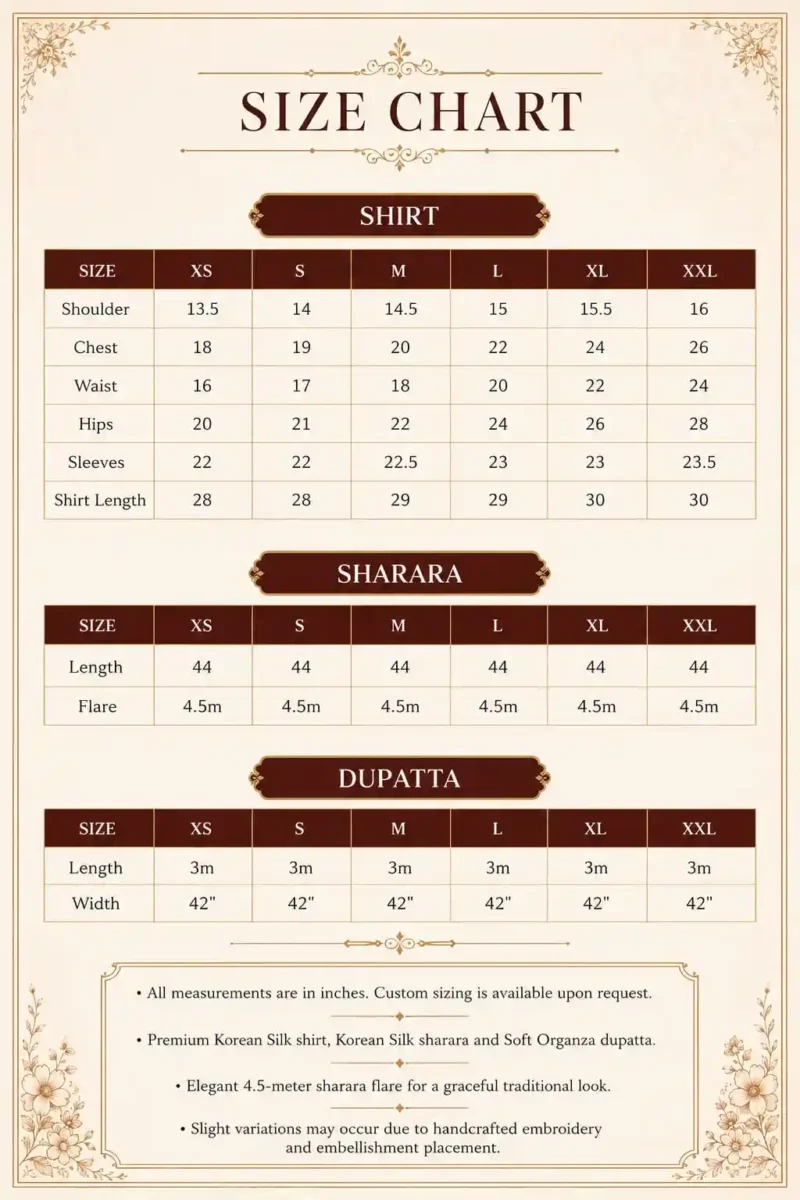
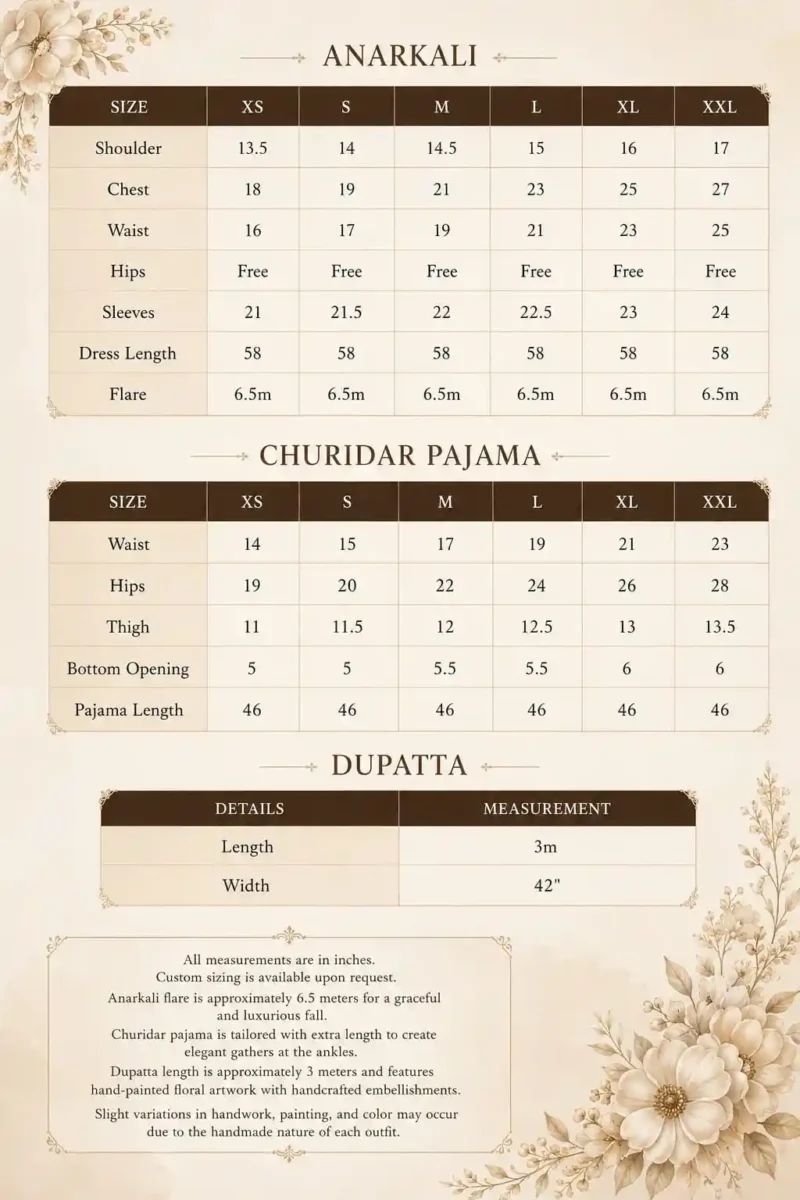
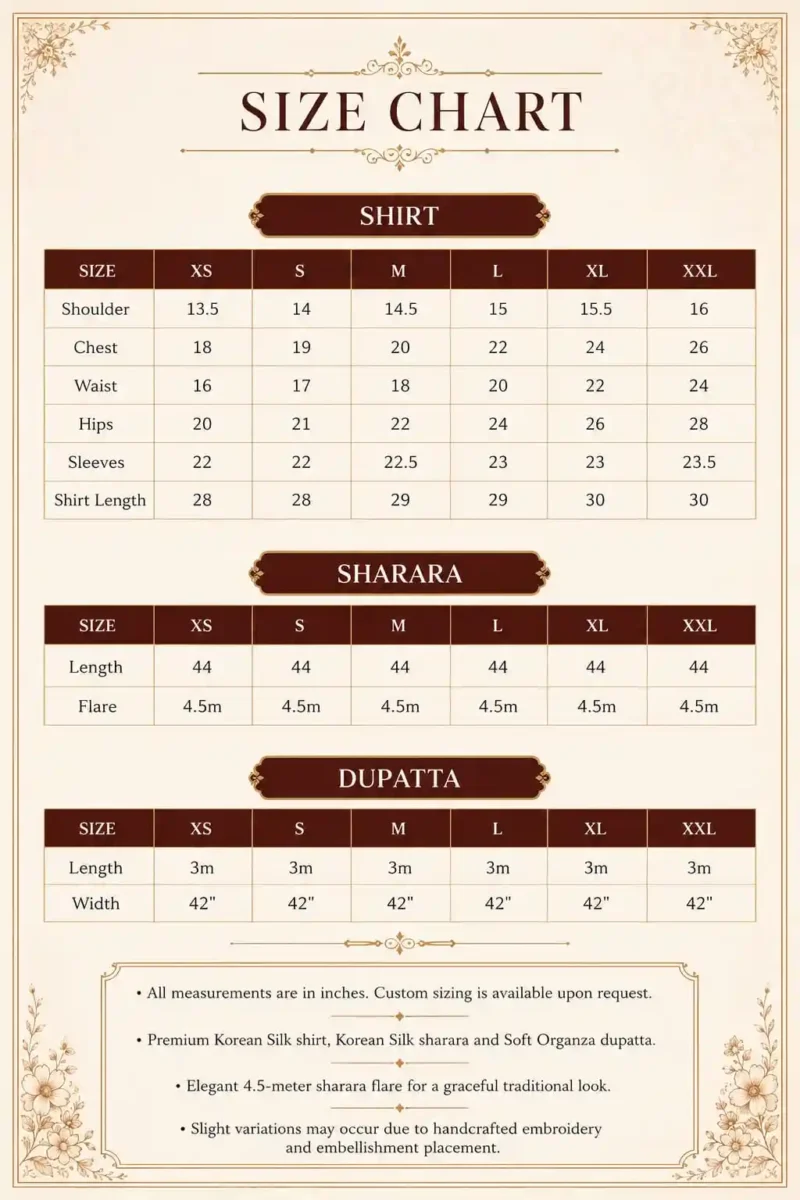
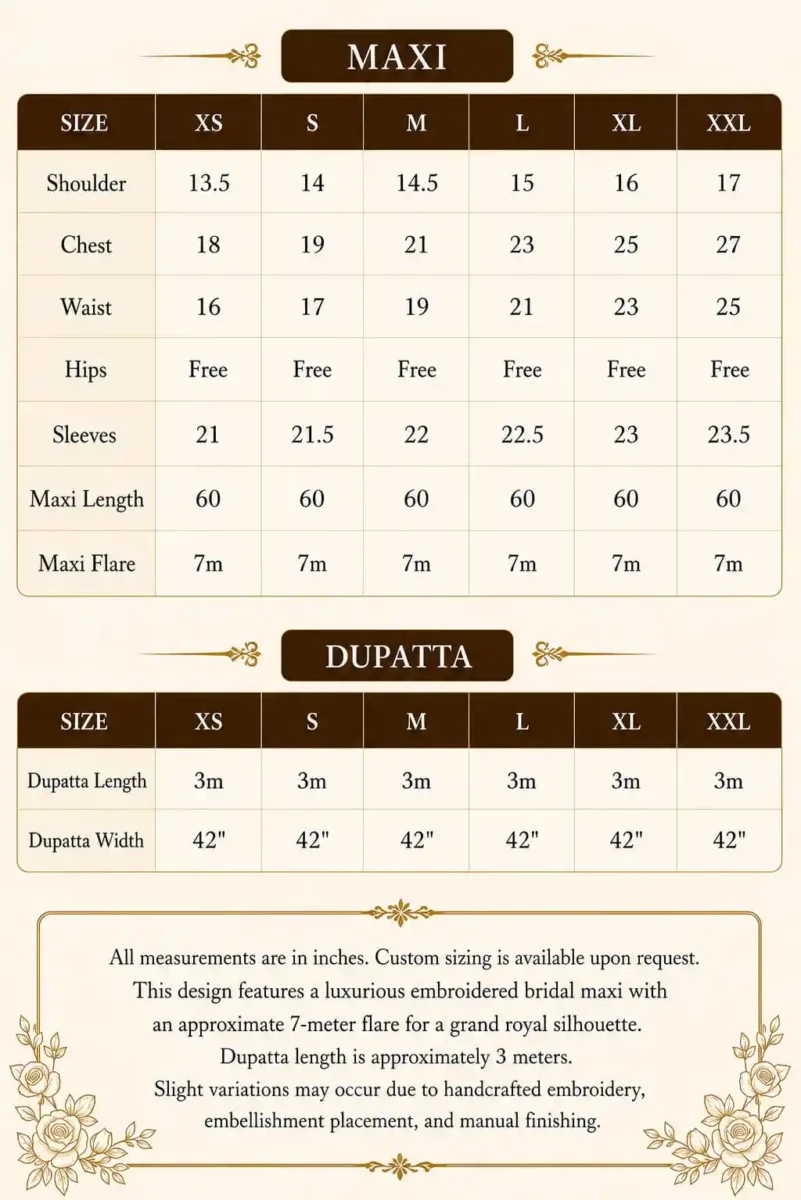
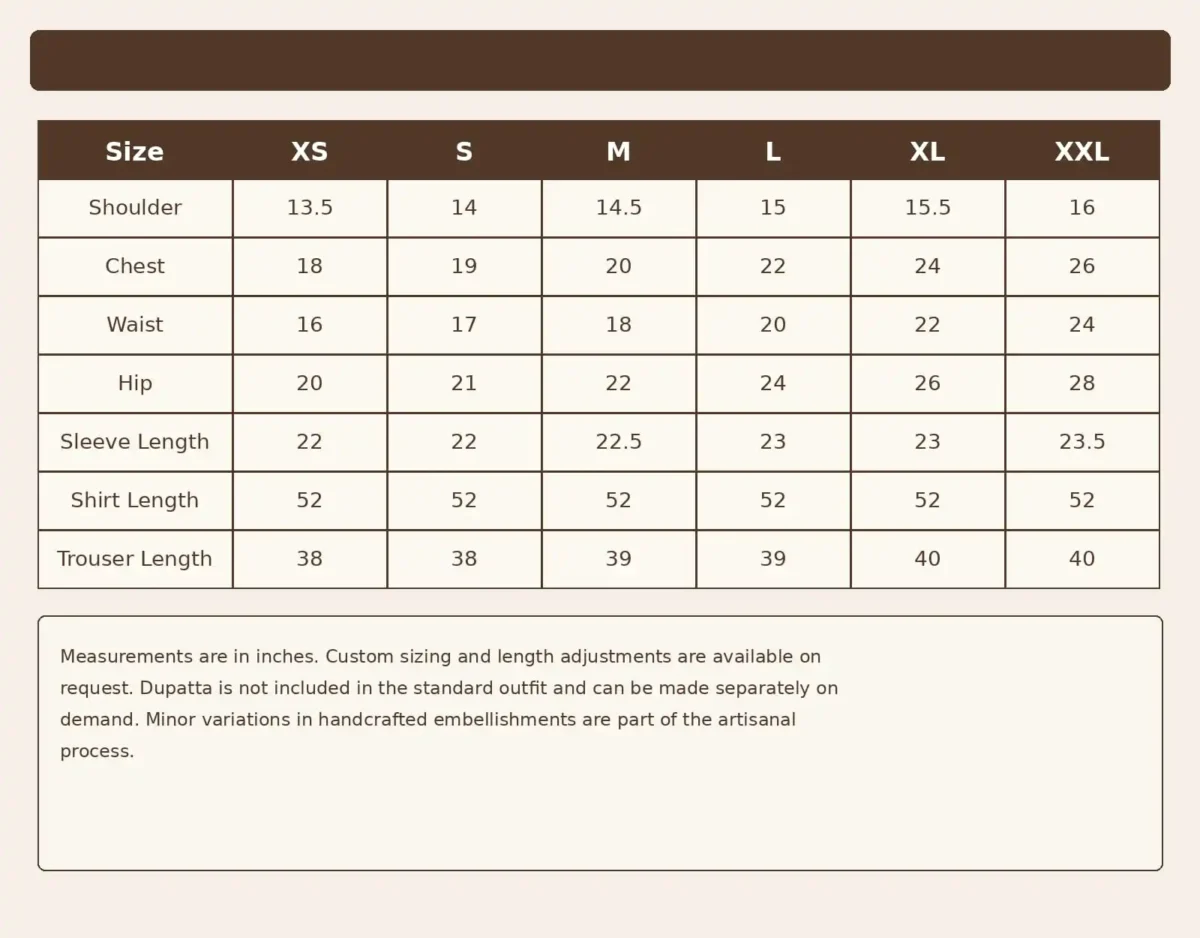
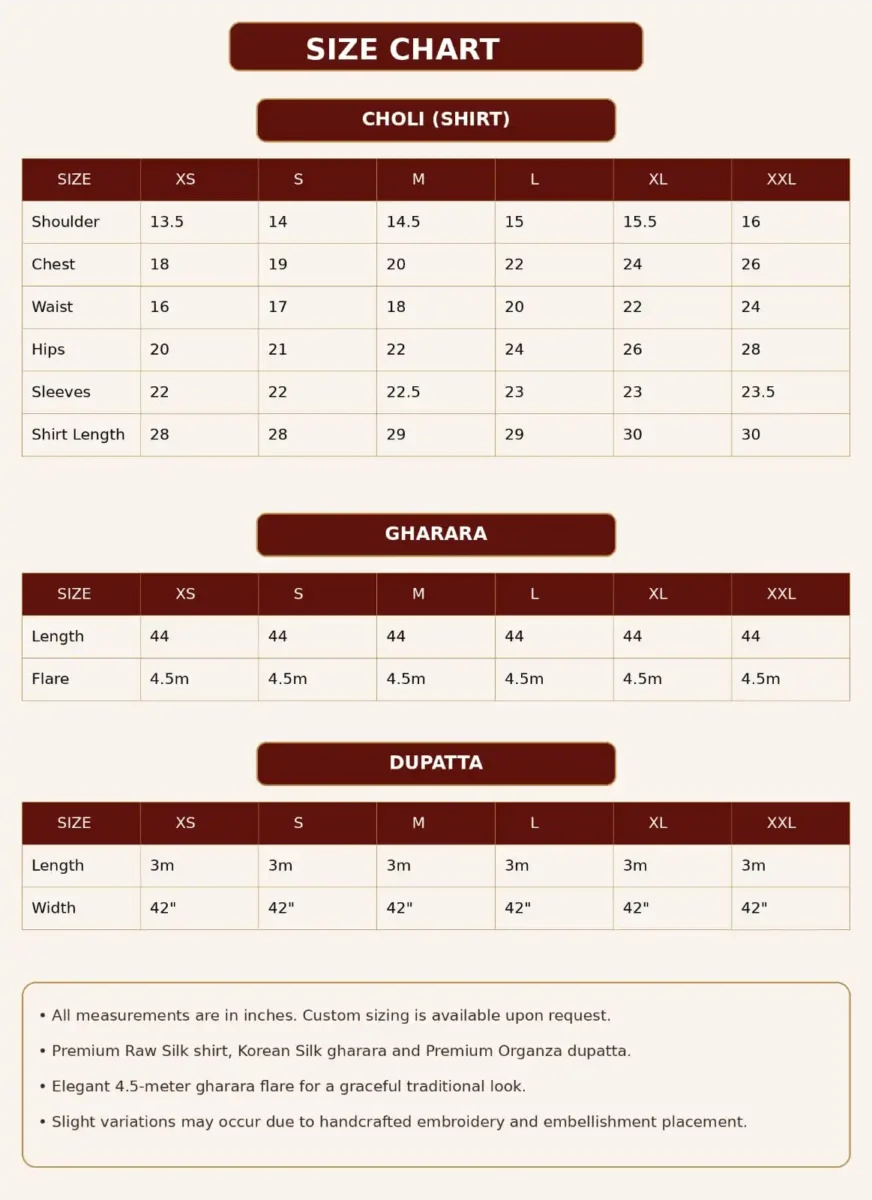
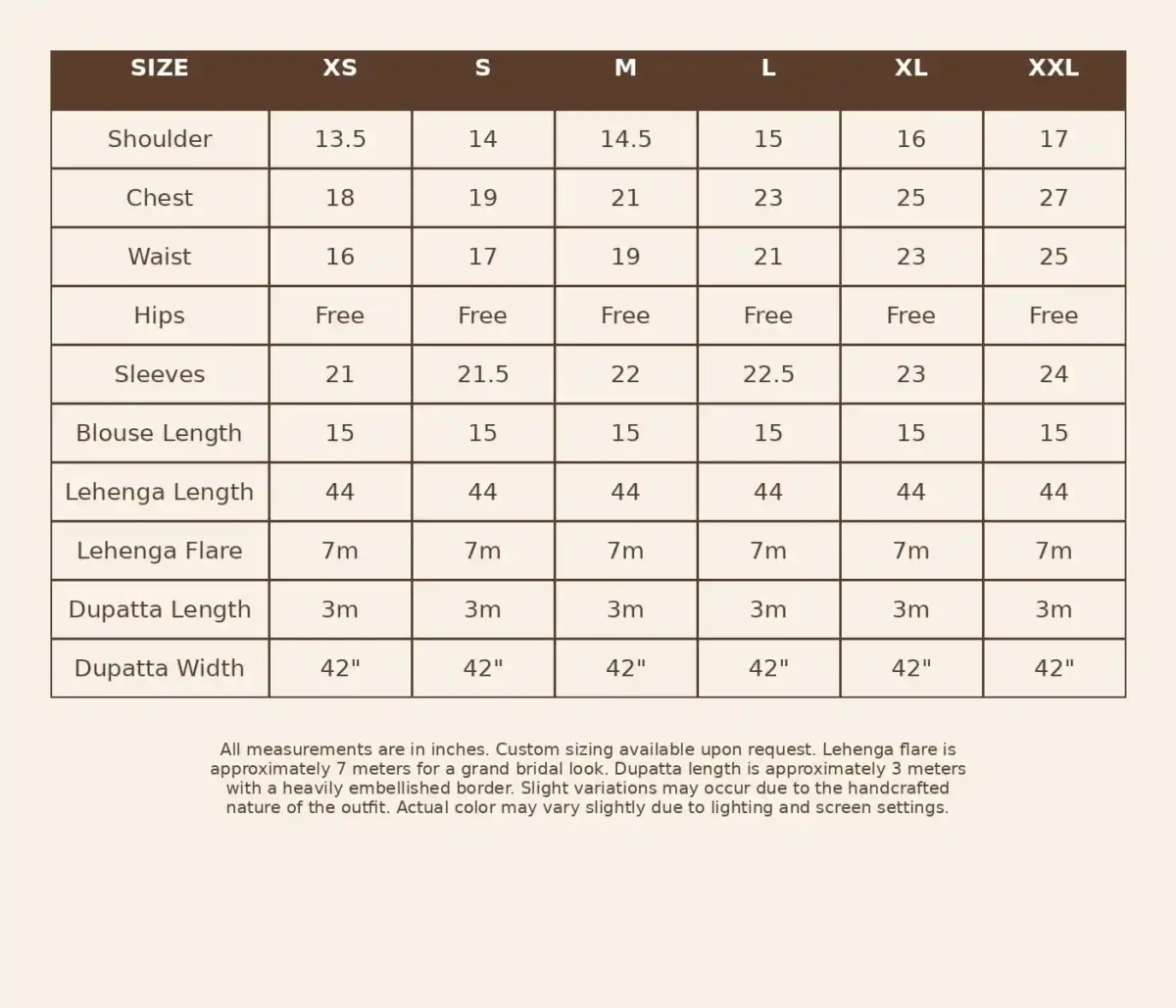
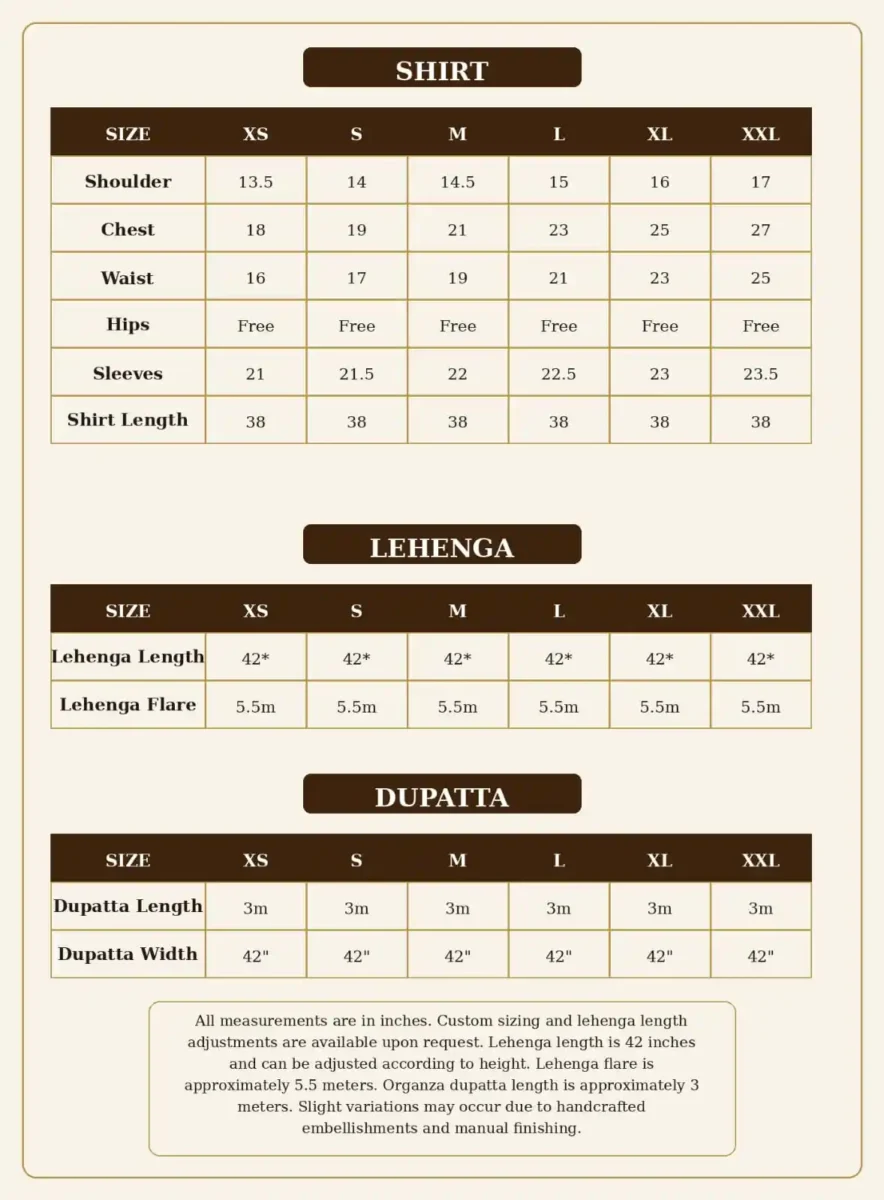
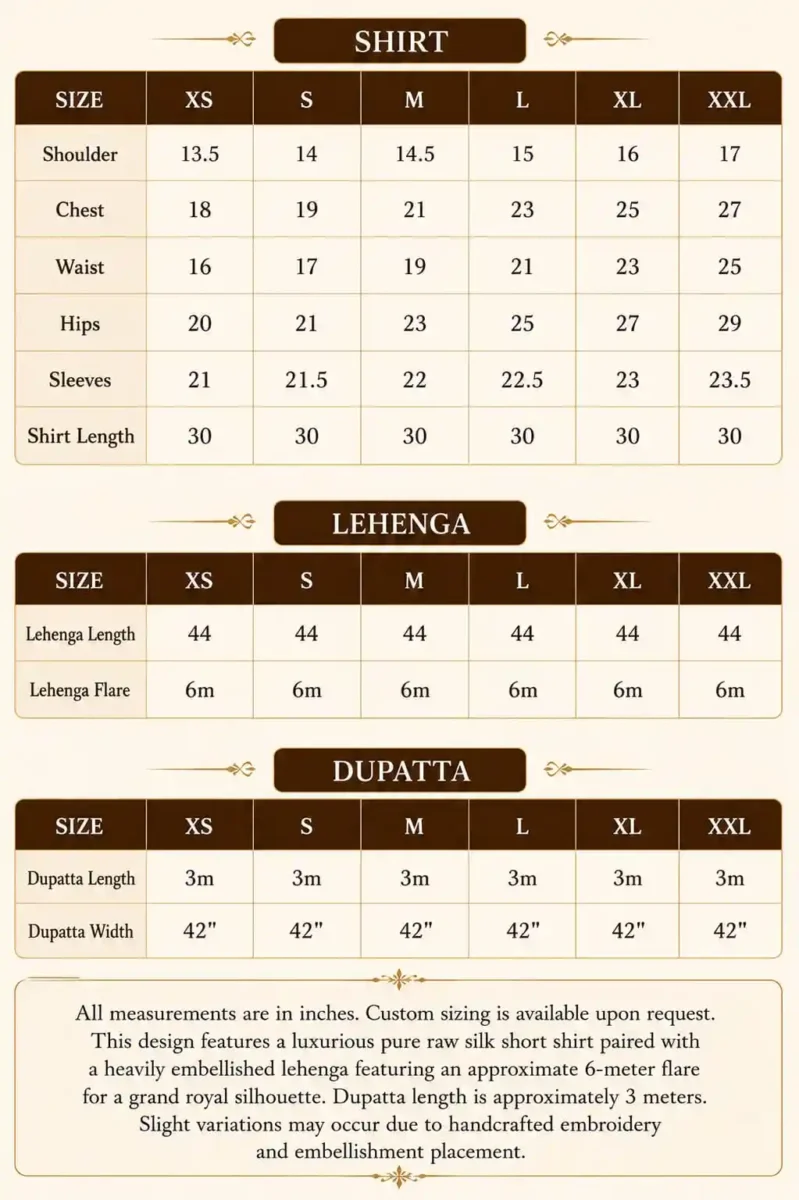
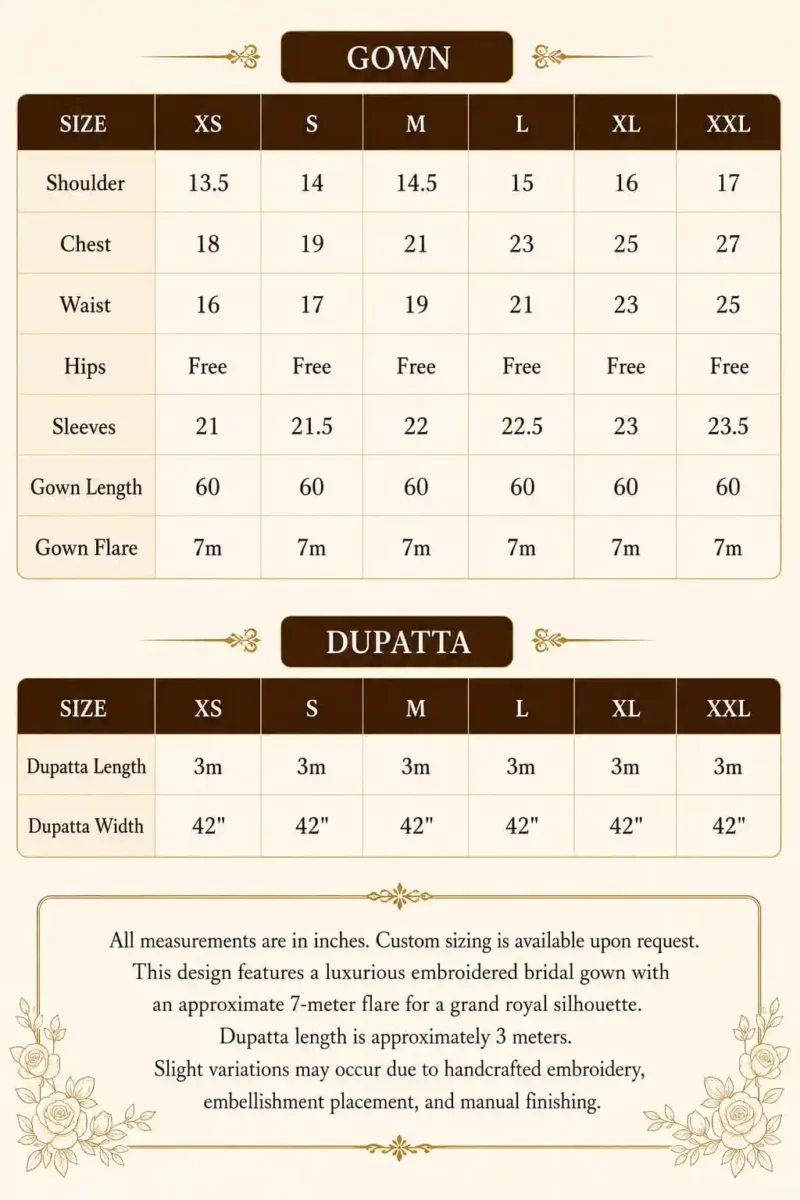
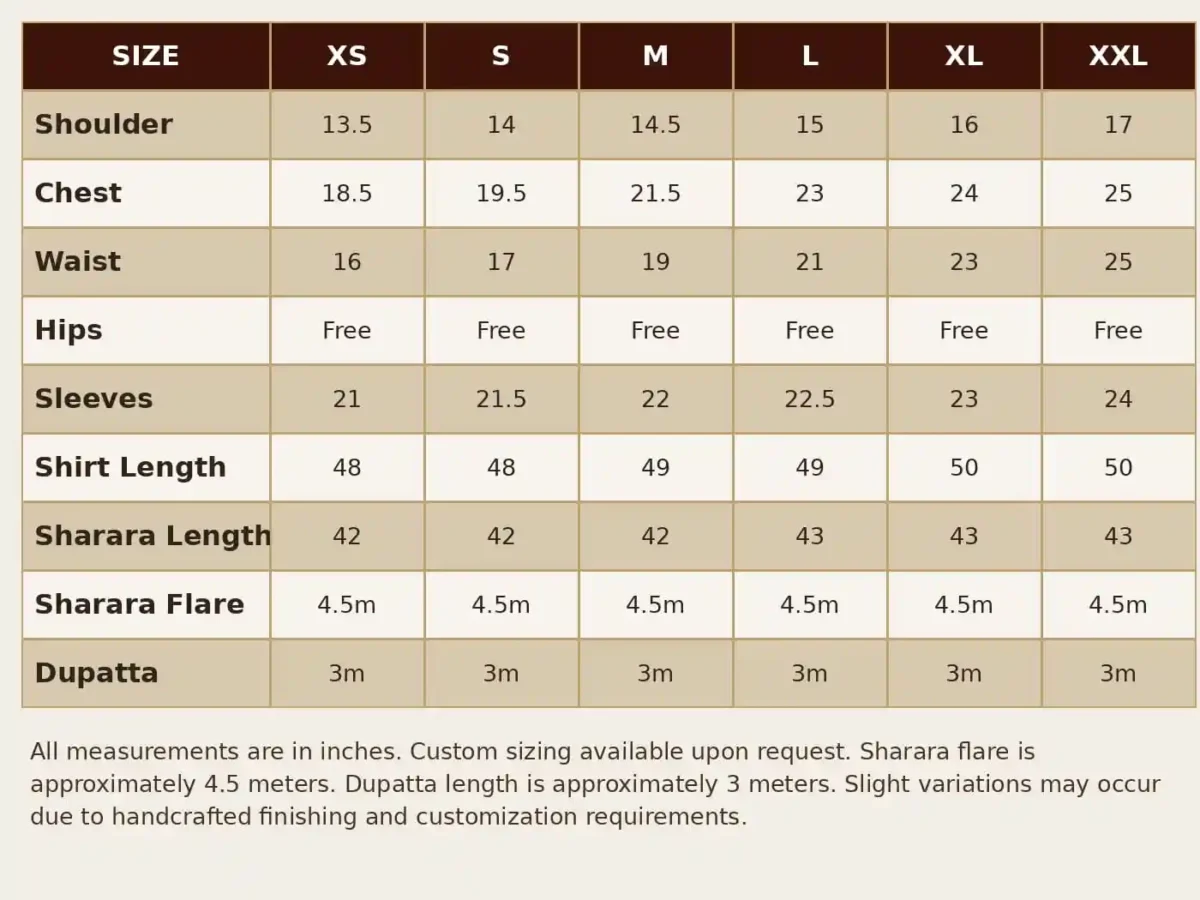
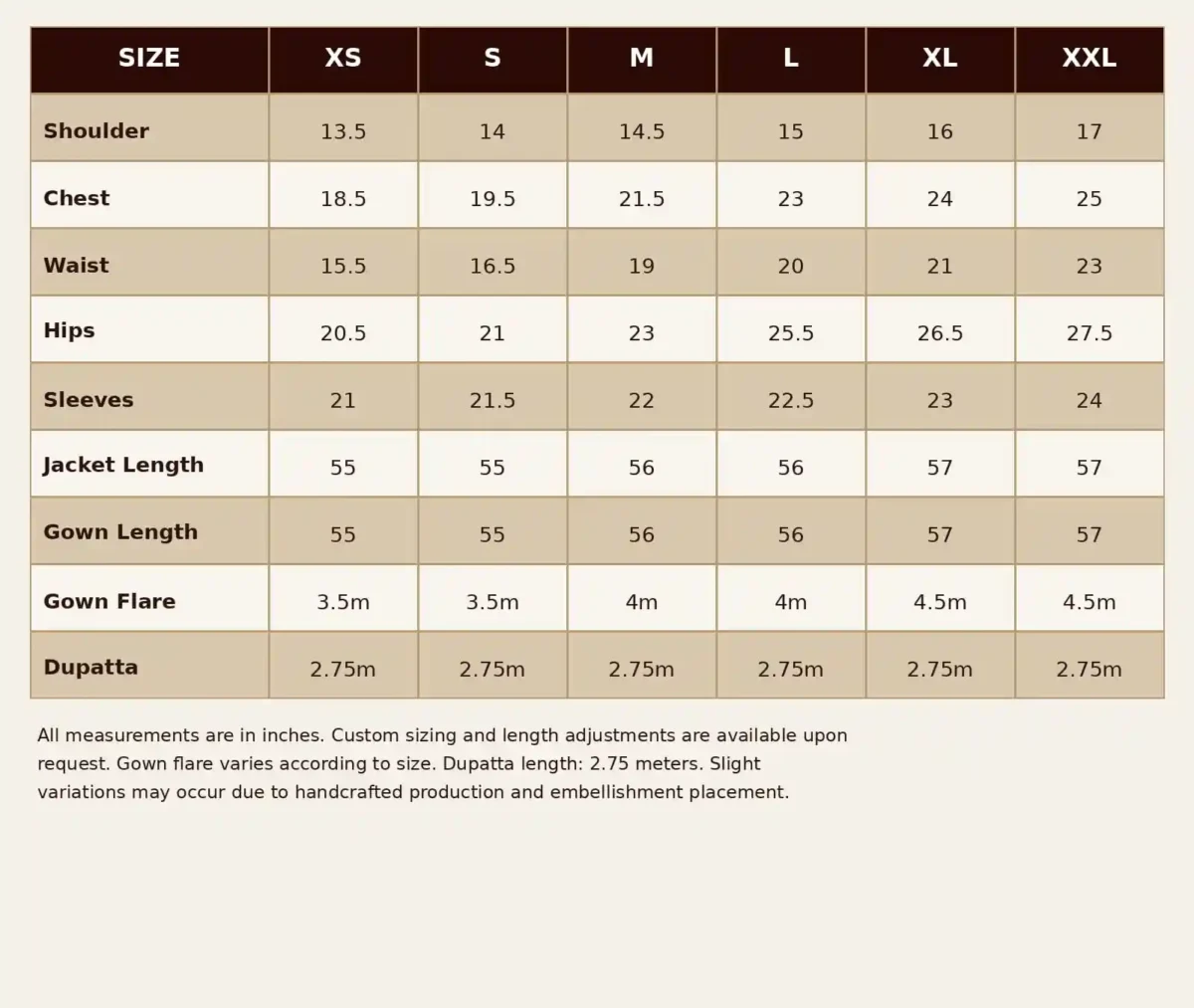
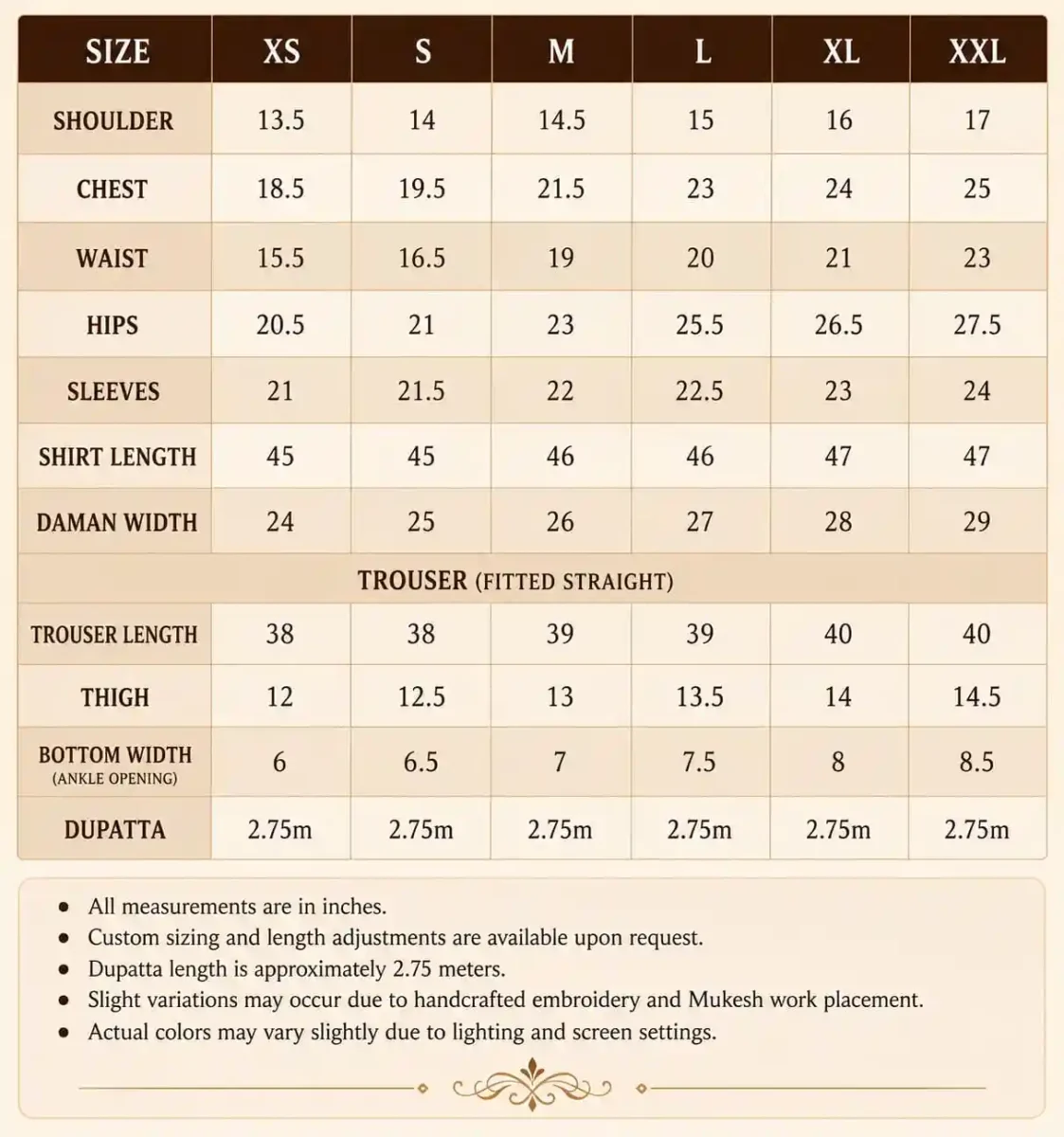
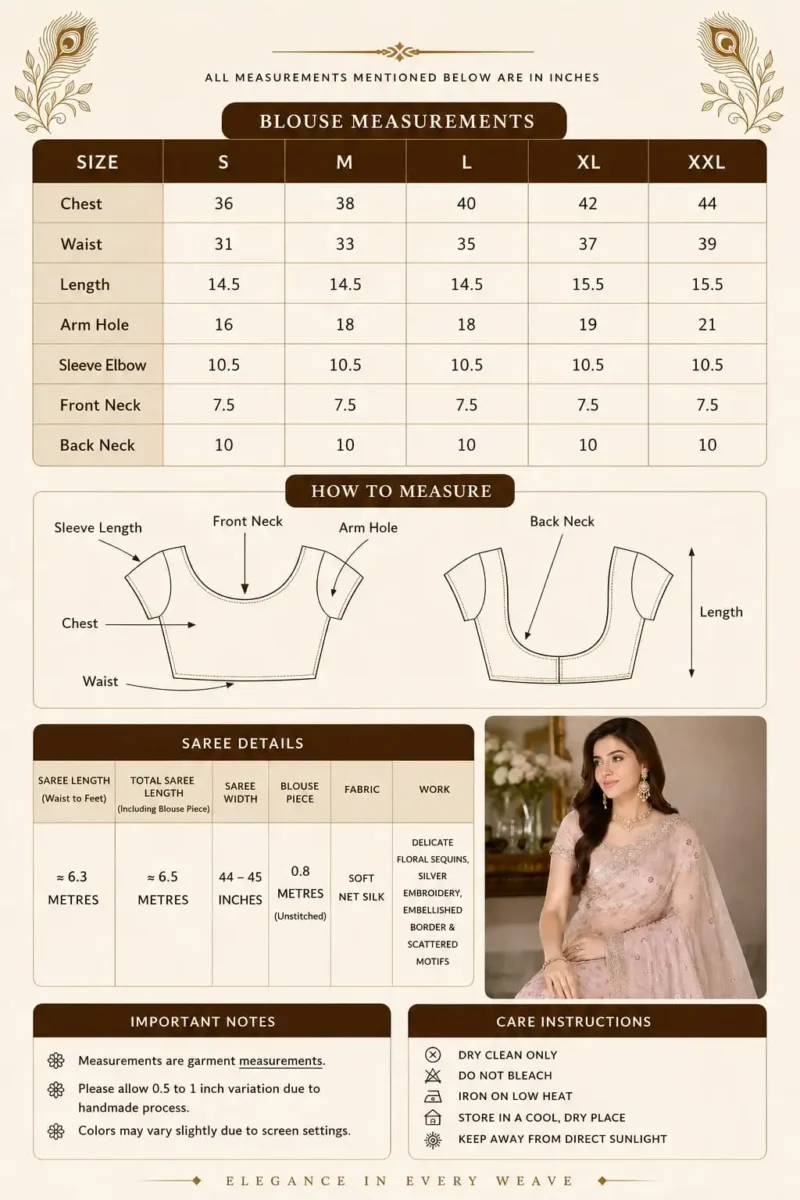
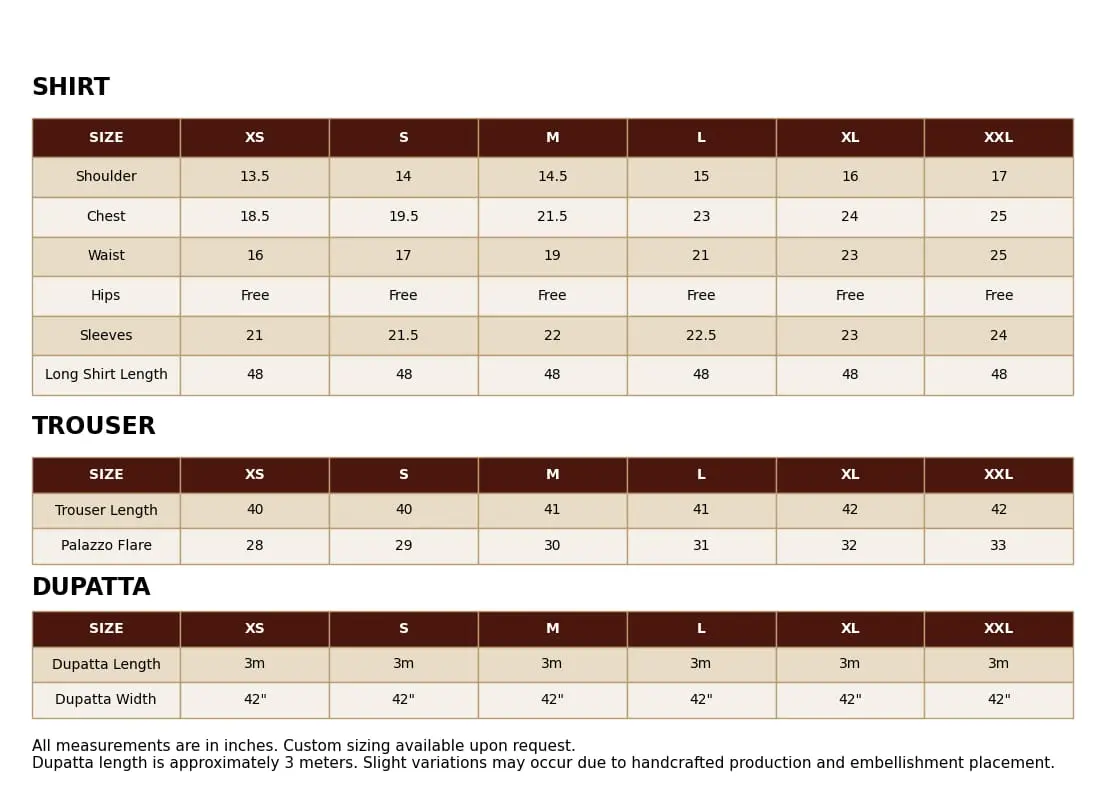
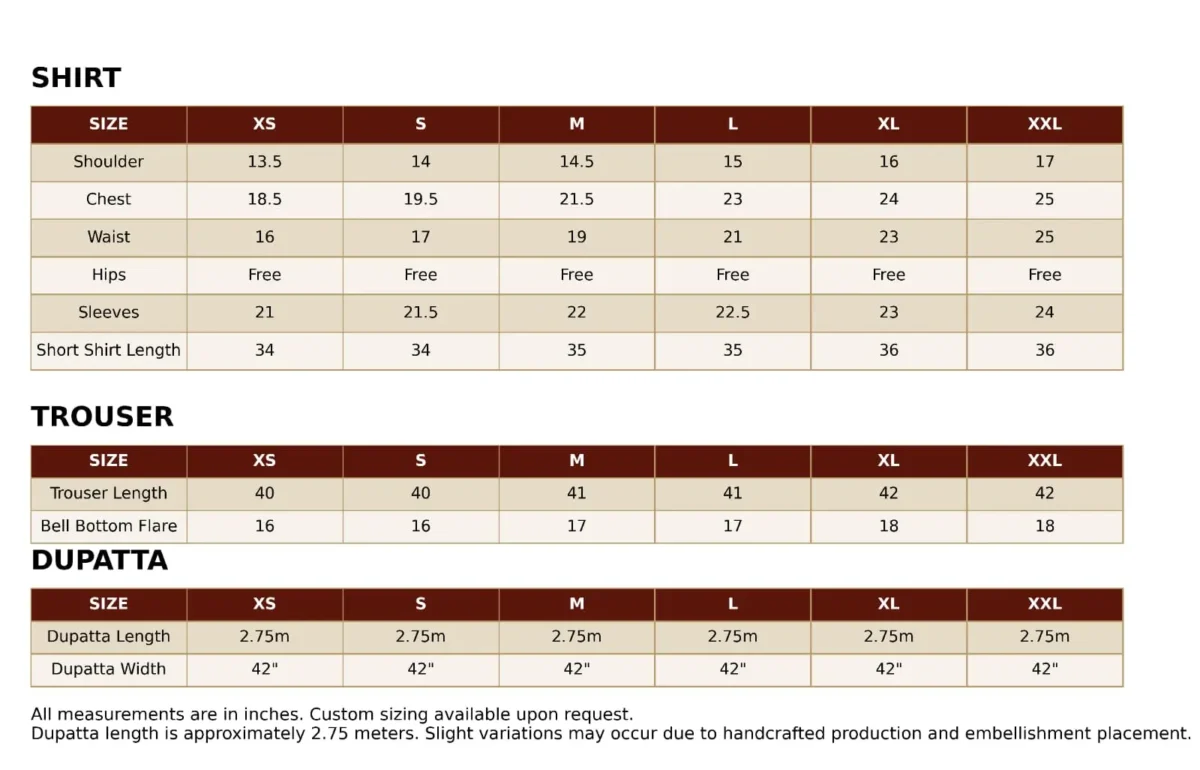
Compare these measurements with the seller’s size chart rather than choosing your usual clothing size. When possible, allow extra fabric for alterations.
Final Thoughts
The best lehenga is not always the heaviest or most expensive one.
Choose a silhouette that fits properly, a fabric that suits the weather, and a choli that supports you comfortably. Most importantly, make sure you can walk, sit, breathe, and enjoy the event without constantly adjusting your outfit.